Description
Note: Many products are not yet listed. Please contact us for more product information. Our supply channels are constantly expanding, and we currently have 20 stable shared supply channels. Please confirm the model, product, price, and all other necessary information with customer service before placing an order. We offer new, refurbished, and used products, and prices are adjusted according to the year of the item you require.
Product Introduction
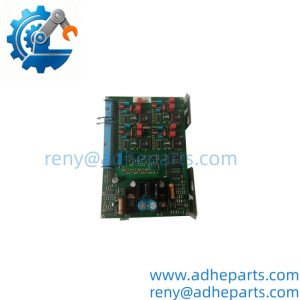
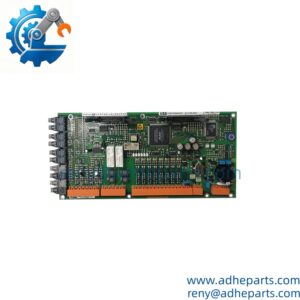
When legacy web‑processing or paper mill control systems lose R‑Net fieldbus connectivity, motion synchronization collapses across dozens of drive axes. This 6U single‑slot VME card handles all R‑Net protocol stack work locally so the VME host CPU avoids timing overload during high‑cycle motion tasks.
Well, technically it boots from on‑board flash memory, but custom firmware images must match the exact AutoMax controller revision, or partial network node drops will appear intermittently, —though your mileage may vary depending on total cable run length and shielding quality.
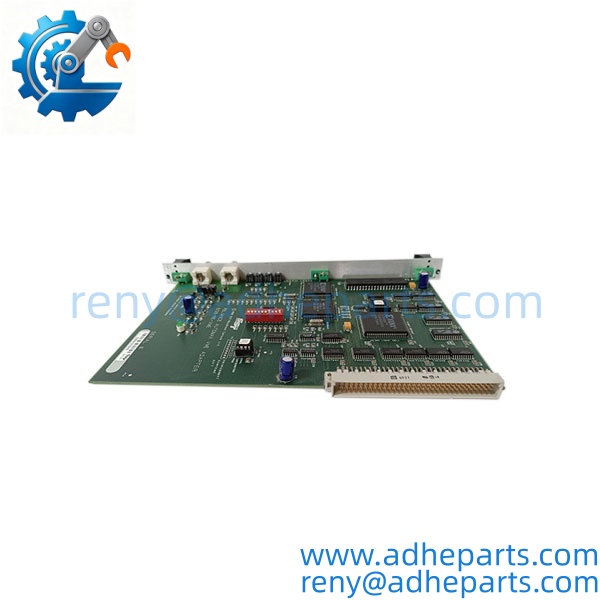
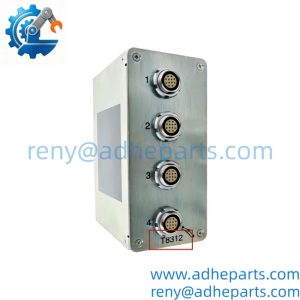
5136‑RE‑VME
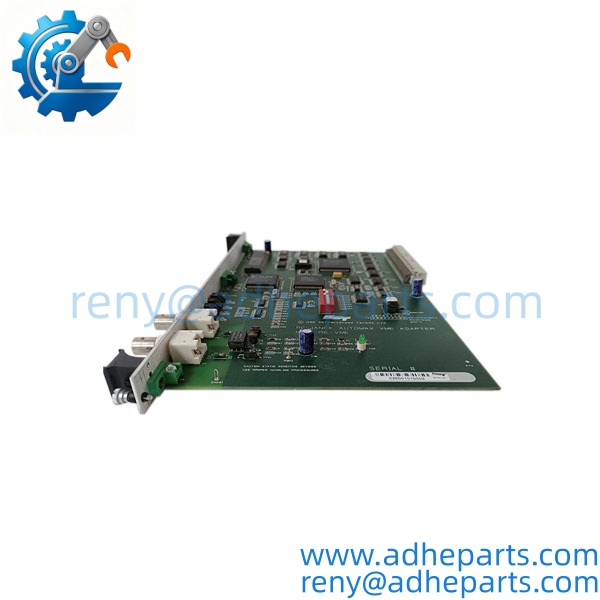
5136‑RE‑VME
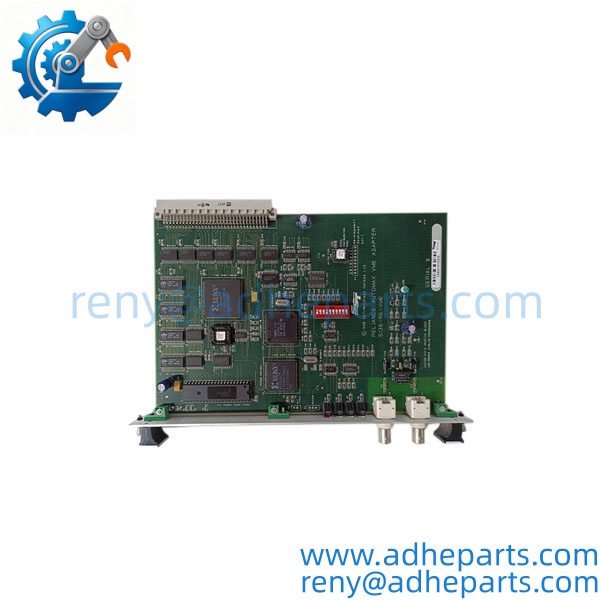
5136‑RE‑VME
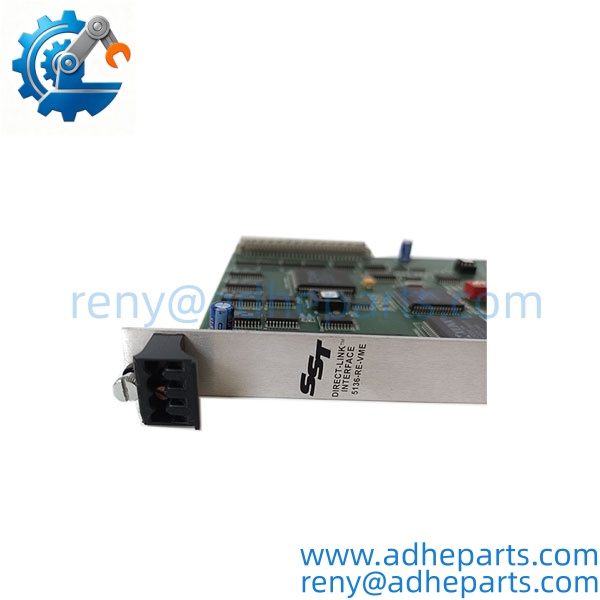
5136‑RE‑VME
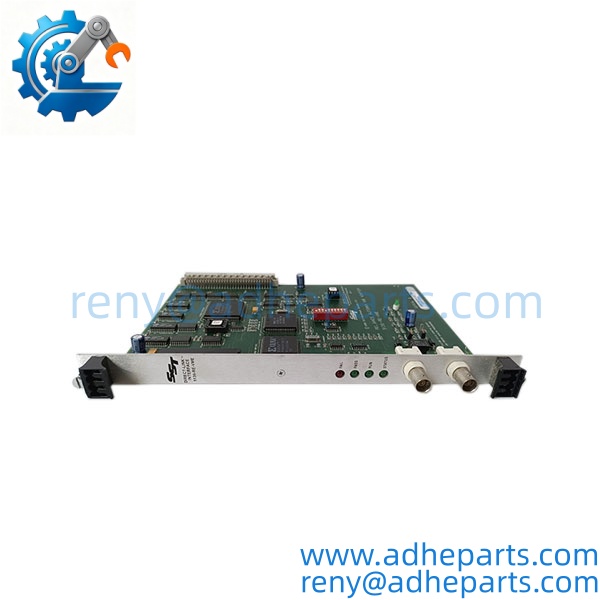
5136‑RE‑VME
Key Technical Specifications
| Parameter | Value |
|---|---|
| Form Factor | 6U VMEbus, single slot |
| On‑Board Processor | 16‑bit embedded microcontroller |
| Network Protocol | Reliance Electric R‑Net |
| Max Network Baud Rate | 800 kbps |
| Shared On‑Board RAM | 512 KB |
| VMEbus Addressing | A16 / A24; D8 / D16 data width |
| Galvanic Network Isolation | 500 V DC |
| Front‑Panel Connector | 9‑pin D‑Sub for R‑Net field link |
| Power Draw | 1.2 A @ +5 V DC |
| Operating Temperature | 0 °C to +60 °C |
| Firmware Storage | On‑board flash memory |
Field Application & Technical Pitfalls (The Engineer’s Guide)
Critical Industrial Scenarios
- Web processing manufacturing: links VME host controllers to banks of Reliance AutoMax variable‑speed drives for tension‑regulated continuous material lines.
- Paper mill machine control: delivers deterministic real‑time I/O and drive setpoints across multi‑axis production machinery.
- Legacy plant upgrade projects: lets existing VME‑based control hardware communicate without full replacement of installed R‑Net field wiring.
Technical Pitfalls (Bold Warnings)
- Firmware image mismatch with field R‑Net devices: Mismatched flash firmware generates random node time‑outs with no hard fault codes logged on the VME host. Always validate firmware revision against the AutoMax hardware manual before commissioning.
- Missing or mis‑positioned bus termination resistor: Un‑terminated R‑Net cabling creates burst‑style communication glitches under heavy motor noise. Inspect the second jumper bank from the card front edge for termination configuration.
- ESD damage during VME slot insertion: Exposed backplane gold contacts are highly vulnerable; static discharge can corrupt flash firmware without any visible physical damage to the PCB.
Lesson‑Learned Anecdote One mill facility swapped a refurbished 5136‑RE‑VME card during a short planned downtime window. Technicians skipped firmware version cross‑checks and powered the system back online. For two full shifts, random drive drop‑outs triggered minor web breaks. Operators assumed drive hardware failure until maintenance pulled register snapshots and uncovered a firmware revision gap between the interface card and field AutoMax drives.
Quality Control (QC) SOP & Transparency
- Inbound Verification: Match part number and serial number against OEM label; visual anti‑counterfeit inspection for reworked solder joints or aftermarket printed labels; capture nameplate photo for internal inventory records.
- Live Rig Testing: Seat card inside standard 6U VME test chassis; supply +5 VDC; run power‑on self‑test; confirm VME A16/A24 address mapping; establish R‑Net bus session against test slave hardware to validate 800 kbps traffic flow.
- Parameter Testing: Verify 500 V DC isolation resistance between VME side and field network side; log current draw under full‑load communication cycles; capture shared‑RAM read‑write test results with zero transfer errors.
- Final QA & Packaging: Clean gold‑plated VME edge contacts with static‑safe solvent; place card inside conductive anti‑static bag; attach QC‑passed sticker printed with test date; pack inside rigid anti‑shock shipping enclosure.
Frequently Asked Questions (FAQ)
Can the SST 5136‑RE‑VME be hot‑swapped in a running VME chassis? No. This card does not support hot‑swap operation. You must remove chassis power before inserting or removing the board, otherwise you risk corrupting on‑board flash or damaging adjacent VME modules.
What exact VME addressing modes work with this interface card? It supports A16 and A24 VME addressing, D8 or D16 data transfers. Confirm your host system’s memory map before installation. Verify exact memory offset ranges with the OEM datasheet for your firmware build.
What warranty coverage applies for stocked SST 5136‑RE‑VME units? All units carry a 12‑month warranty. New‑surplus coverage applies for factory‑origin hardware defects. Refurbished units cover faults related to our test and rebuild workflow; field‑side surge or wiring damage falls outside warranty scope.
How do I tell genuine OEM hardware apart from counterfeit rebuilt copies? Genuine SST boards carry etched PCB markings, crisp factory silkscreen, and original serial labels. Counterfeit or heavily rebuilt units will show reflowed solder around the D‑Sub connector or blurry adhesive‑applied serial stickers. Cross‑reference serial numbers whenever OEM records are accessible.
My installed 5136‑RE‑VME shows intermittent R‑Net node drop‑outs. Is the card defective? Do not immediately mark it faulty. First confirm bus termination jumper setting, cable shielding integrity, and firmware revision alignment with field‑side AutoMax devices. Many intermittent issues trace back to these three points rather than card hardware failure.
Does SST 5136‑RE‑VME support protocols other than Reliance R‑Net? No. This hardware is purpose‑built exclusively for R‑Net. It cannot run PROFIBUS, DeviceNet or other fieldbus stacks, even if you attempt custom flash programming.
What environmental constraints apply for cabinet installation? Maintain cabinet air temperature between 0 °C and +60 °C and keep humidity non‑condensing. Sustained operation above rated temperature accelerates electrolytic capacitor wear and shortens usable service life of this legacy VME card.
今天 11:10