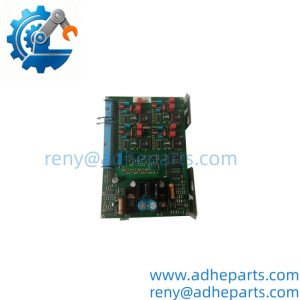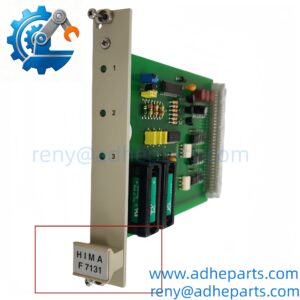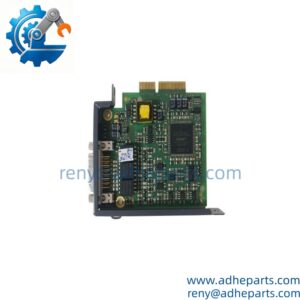
Description
Note: Many products are not yet listed. Please contact us for more product information. Our supply channels are constantly expanding, and we currently have 20 stable shared supply channels. Please confirm the model, product, price, and all other necessary information with customer service before placing an order. We offer new, refurbished, and used products, and prices are adjusted according to the year of the item you require.
Key Technical Specifications
| Parameter | Specification |
|---|---|
| Manufacturer | Motorola Solutions |
| Model | FLN4234A |
| Assembly Designation | ACE3600 CPU3680 |
| System Platform | ACE3600 RTU |
| Module Type | Central Processing Unit |
| Processor Architecture | 32-bit PowerPC II |
| Operating System | VxWorks-based firmware architecture |
| Ethernet Interface | 10/100 Mbps Ethernet |
| Serial Interfaces | RS-232 / RS-485 |
| USB Interfaces | USB host and USB device interfaces on CPU3680 |
| Internal Communication | Internal 100 Mbps Ethernet for redundant CPU communication |
| Operating Voltage | 10.8–16 VDC from the ACE3600 motherboard |
| Module Location | Dedicated CPU slot in ACE3600 frame |
| Approx. Dimensions | 56 mm W × 225 mm H × 180 mm D |
| Approx. Weight | 0.38 kg |
| Typical Application | SCADA, telemetry, remote monitoring and control |
| Country of Origin | Confirm from the actual product label and commercial documents |
| HS Classification | Confirm according to the actual product construction and destination customs requirements |
The FLN4234A is identified as the ACE3600 CPU3680 assembly in Motorola-related equipment documentation and current parts references. The ACE3600 system documentation describes the CPU3680 as a removable CPU module with Ethernet, RS-232/RS-485, USB, and internal Ethernet interfaces.
Product Introduction (Anti-Template)
Operating as the central processor of the Motorola RTU platform, the FLN4234A CPU3680 handles application processing, telemetry logic, and communication between the RTU and connected field or SCADA systems. The CPU3680 architecture provides Ethernet, serial, and USB connectivity, while its internal Ethernet interface can support communication between redundant CPU modules. This is an -specific controller rather than a general-purpose PLC CPU, so the frame, power supply, firmware, and application configuration must be checked together.
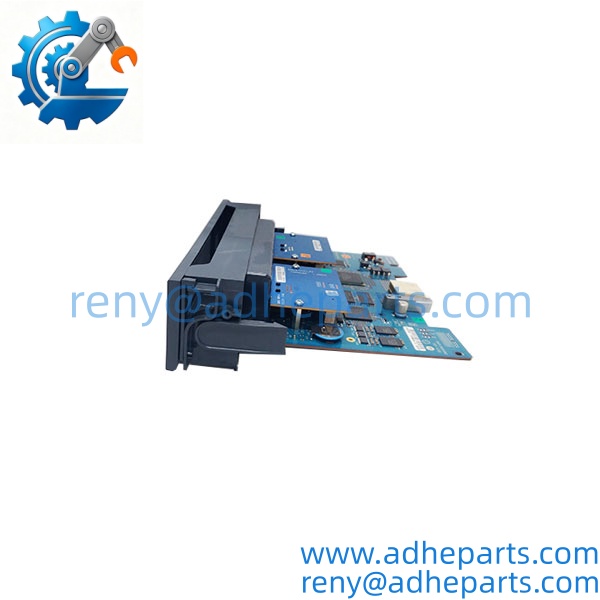
FLN4234A
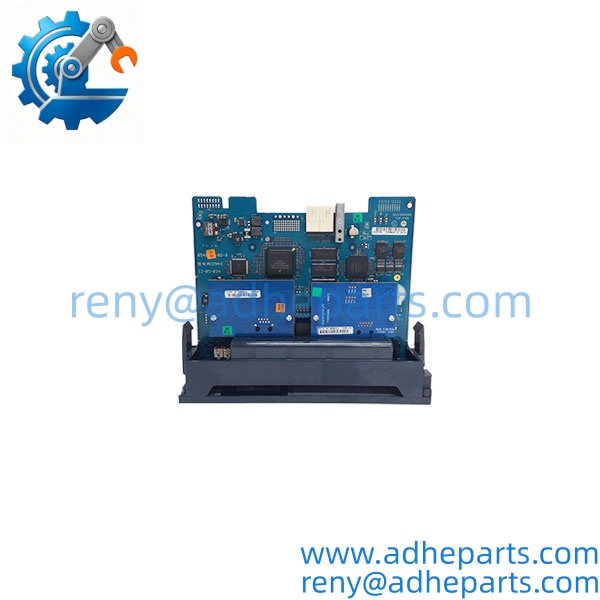
FLN4234A
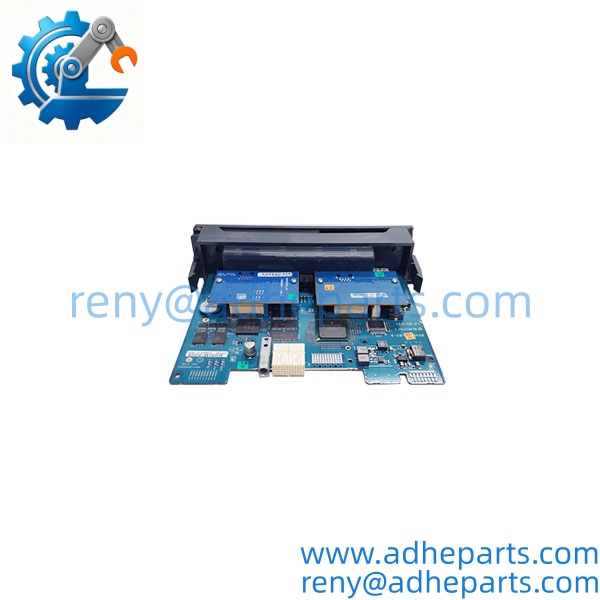
FLN4234A
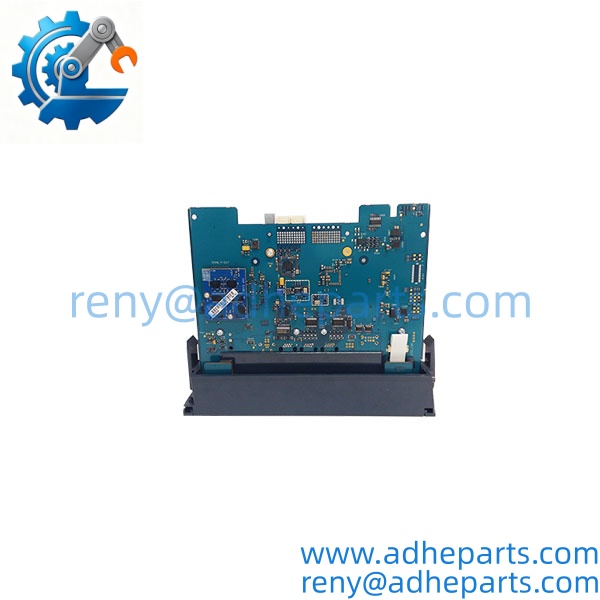
FLN4234A
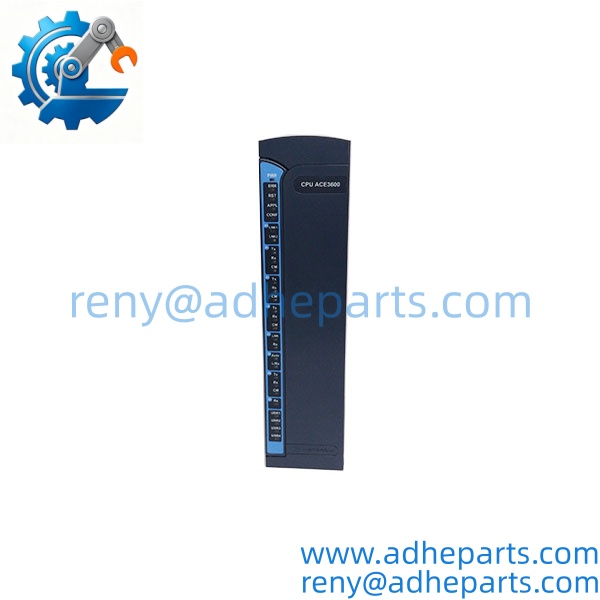
FLN4234A
QC, Procurement & Logistics SOP
- Inbound Verification
Verify the Motorola Solutions marking, complete FLN4234A part number, designation, serial number, hardware revision, connectors, and visible PCB condition. Compare the physical module against the buyer’s installed unit. - Live Rig Testing
Install the CPU only in a compatible frame. Verify power-up diagnostics, CPU status LEDs, Ethernet communication, serial-port operation, USB interfaces where applicable, and communication with the configured I/O modules. - QA & Anti-Static Packaging
Inspect the backplane connector, communication ports, locking mechanism, PCB, and housing. Use anti-static packaging and shock protection, with connector protection during international shipment. - Global Logistics & Export Compliance
Confirm the final HS classification according to the actual product and destination customs requirements. Prepare the commercial invoice, packing list, origin information, and requested warranty or inspection documents. Use rigid packaging for air or sea freight.
Technical Pitfalls & Integration Warnings
- Firmware or Application Revision Mismatch
The CPU hardware alone does not guarantee compatibility with an existing application. For example, a system configured around V3.1 should not automatically be loaded with a V2.8 application or firmware configuration. Verify the CPU revision, firmware, application files, and project configuration before commissioning. - DIP Switch / Configuration Errors
Communication parameters, CPU redundancy settings, serial-port configuration, and installed plug-in options must match the existing RTU design. Record the original configuration before removing the installed CPU. - Backplane and Power-Supply Compatibility
The FLN4234A is designed for the frame and receives operating power through the motherboard connection. Do not connect the CPU directly to an external power source or install it in an incompatible frame. The documented CPU operating range is 10.8–16 VDC. - ESD Damage During Unboxing
The CPU contains sensitive processor and communication circuitry. Keep it in anti-static packaging until installation, use a grounded ESD workstation, and avoid touching the backplane contacts or exposed connector pins.
Frequently Asked Questions (FAQ)
1. What is the Motorola FLN4234A?
It is the assembly, serving as the central processing module for Motorola RTUs.
2. Is the same as ?
is the Motorola part number associated with the assembly. The system also identifies through the V448 configuration option, so the complete hardware configuration should be checked before replacement.
3. What communication interfaces are available?
The architecture includes 10/100Base-T Ethernet, configurable RS-232/RS-485 serial communication, USB host interfaces, a USB device interface, and an internal Ethernet connection for CPU-to-CPU communication.
4. What power supply does the CPU require?
The documented CPU operating range is 10.8–16 VDC supplied through the motherboard connection. The exact power-supply module and frame configuration must be verified before installation.
5. Can replace another CPU directly?
Not automatically. Confirm the CPU generation, application software, firmware, frame, power supply, installed communication options, and I/O configuration. A CPU replacement may require application or configuration changes.
6. Can the CPU be hot-swapped?
Do not assume live replacement is permitted. Follow the maintenance procedure and isolate the RTU before removing the CPU unless the specific system documentation explicitly authorizes energized replacement.
7. What information should be provided for compatibility confirmation?
Provide the label, CPU revision, front and rear photographs, frame model, power-supply module, current firmware/application version, communication options, and the original RTU configuration. This allows the replacement to be checked at the complete-system level.