Description
Note: Many products are not yet listed. Please contact us for more product information. Our supply channels are constantly expanding, and we currently have 20 stable shared supply channels. Please confirm the model, product, price, and all other necessary information with customer service before placing an order. We offer new, refurbished, and used products, and prices are adjusted according to the year of the item you require.
Key Technical Specifications
| Parameter | Value |
|---|---|
| Full Part ID | CXP‑544A KOMS‑A2 |
| Target Equipment | Kokusai diffusion, CVD, thermal wafer processing furnaces |
| On‑board Power Input | +5 VDC, +12 VDC via backplane connector |
| Bus Interface | Kokusai proprietary KOMS‑A2 internal system bus |
| Memory | Dedicated non‑volatile storage for process recipes & firmware |
| Safety Feature | Hardware watchdog timer for unplanned software lock‑up recovery |
| Installation Form | Slot‑mount large‑form PCB for equipment main cabinet rack |
| Operating Cabinet Temp | 10 °C to +40 °C (clean‑room environment requirement) |
| Storage Temperature | ‑20 °C to +65 °C |
| Unit Approximate Weight | 1.1 kg |
Product Introduction (Anti‑Template)
Operating as the backbone of the KOMS‑A2 furnace control hardware, this mainboard orchestrates every timed step of high‑temperature wafer recipes inside diffusion and CVD chambers. It exchanges high‑speed signals with daughter I/O cards, retains saved process parameters, and triggers fault responses if internal code execution stalls.
Original factory production has long ended. Most operating fabs hold at least one spare on‑site to limit tool downtime. Honestly, locating a fully functional used unit often takes weeks of cross‑regional component sourcing.
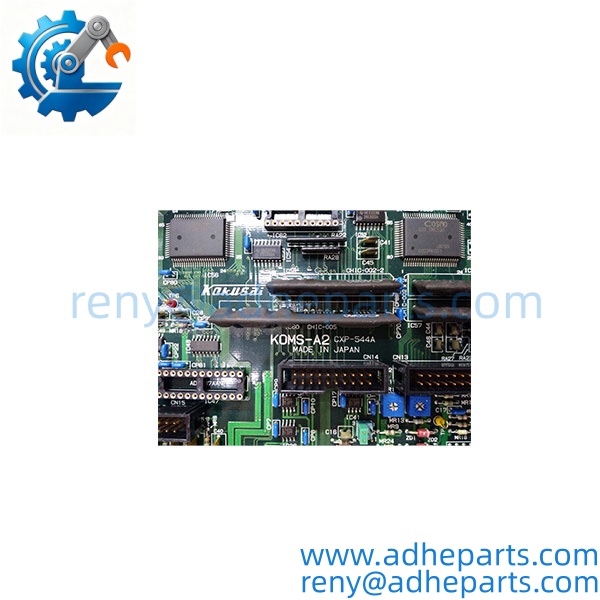
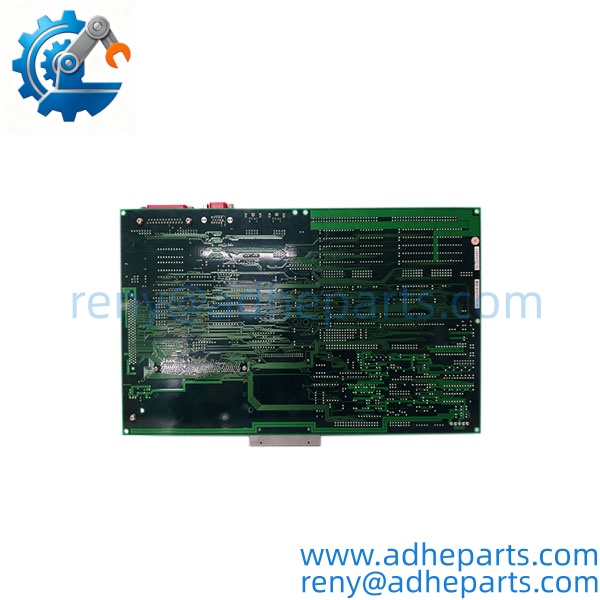
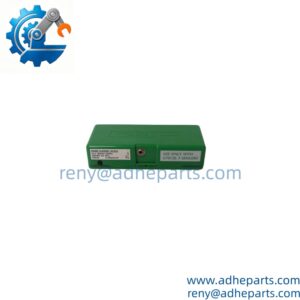
CXP‑544A KOMS‑A2
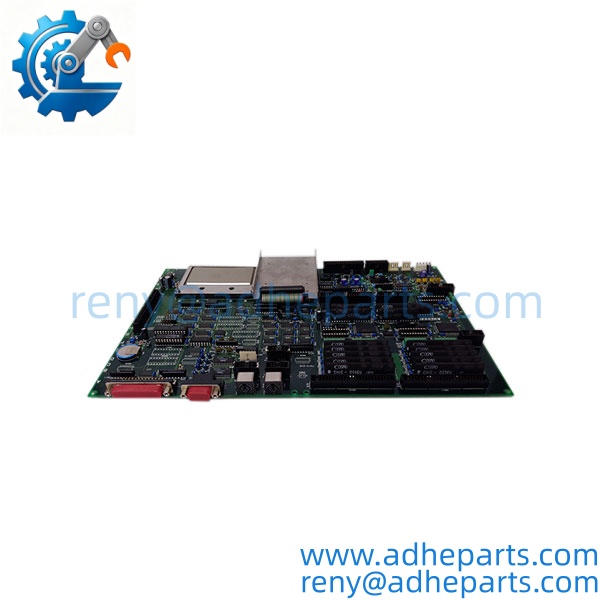
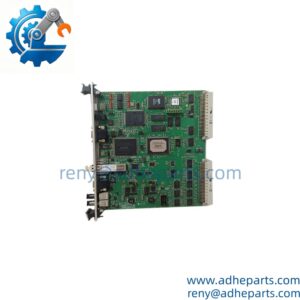
CXP‑544A KOMS‑A2
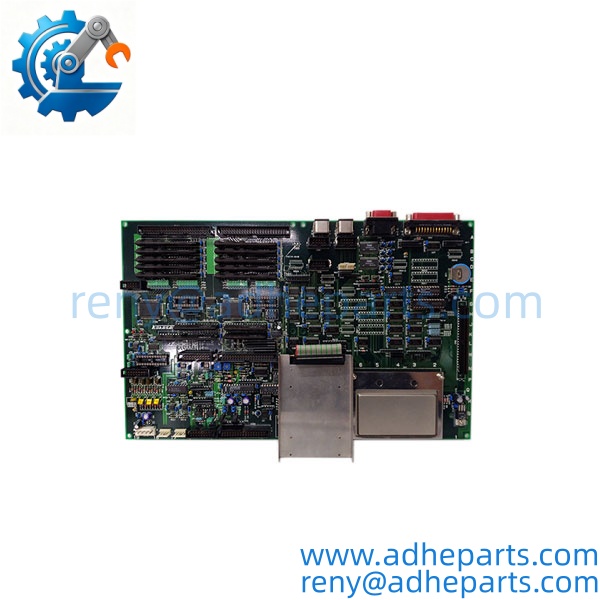
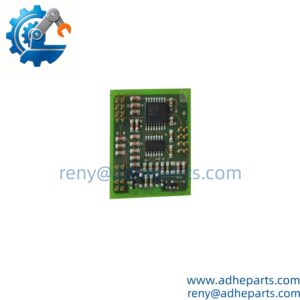
CXP‑544A KOMS‑A2
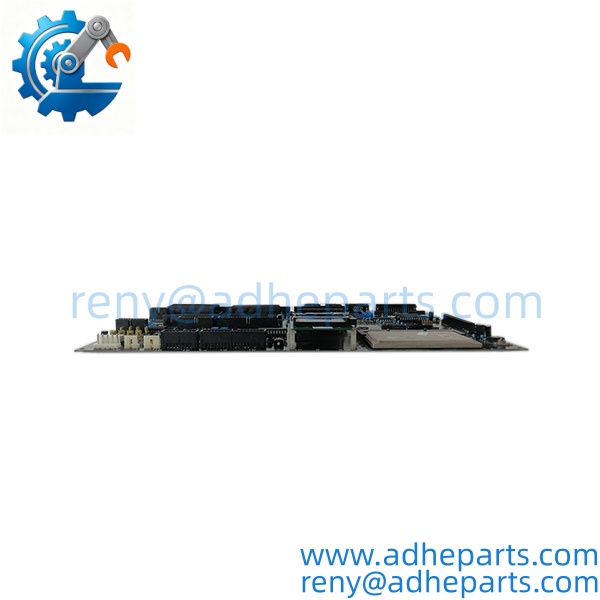
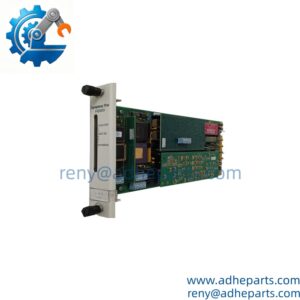
CXP‑544A KOMS‑A2
QC, Procurement & Logistics SOP
- Inbound Verification: Match silkscreen marking for both CXP‑544A and KOMS‑A2 identifiers. Inspect edge‑connector gold fingers for wear or oxidation. Confirm original hardware revision against the end‑user tool’s bill‑of‑materials.
- Live Rig Testing: Apply correct 5 V /12 V supply voltages. Validate watchdog trigger function, memory read‑write cycles, and proprietary bus handshake with compatible test daughter hardware. Capture full test log output.
- QA & Anti‑Static Packaging: Seal verified PCB inside static‑shield bag. Fit rigid foam supports to guard tall soldered components against physical shock. Place printed test report inside shipping carton.
- Global Logistics & Export Compliance: Assign proper HS classification for semiconductor equipment spare parts. Reinforce cartons for air or sea transit to prevent PCB trace cracking. List both part identifiers fully on commercial documentation —though customs clearance for semiconductor spares in some territories might add 3‑4 working days.
Technical Pitfalls & Integration Warnings
- Firmware Revision Mismatch: Installing a board flashed with V1.7 firmware into a furnace locked to V2.2 will cause bus time‑outs and recipe load failures. One real‑world case saw a technician swap the physical board without checking firmware; the tool went offline for 12 hours while re‑flashing was completed. Always cross‑reference firmware version before physical insertion.
- Backplane Connector Pin Degradation: Worn or bent backplane socket pins create intermittent bus communication. A swap‑out can look successful on power‑up, but random chamber faults appear only under elevated cabinet temperature. Inspect mating rack sockets whenever you replace this mainboard.
- Mis‑applied Auxiliary Supply Voltage: Feeding +12 V into the +5 V logic input burns out onboard CPU and memory chips instantly. No visible smoke always does not mean no internal damage. Verify rack output voltages before seating the PCB.
- ESD Damage During Handling: Even brief ungrounded contact can damage sensitive onboard logic. A technician working without a grounded wrist strap might fit the board and see normal boot‑up; subtle recipe‑corruption errors start surfacing days later. All handling must happen inside static‑controlled work areas.
Frequently Asked Questions (FAQ)
What lead times should I budget if I need this board for a fab emergency? Bench‑tested stock can ship within a small number of business days. Genuine new surplus is extremely scarce and may stretch out many weeks. Do not schedule critical tool maintenance until stock status gets formally confirmed.
Can I hot‑swap this main CPU board while the furnace remains powered? No hot‑swap support exists for this hardware. Full equipment main power must shut down before removal or installation. Live‑rack removal risks permanent destruction of this board and adjacent daughter cards.
Will any CXP‑544A variant drop directly into my existing furnace hardware? Hardware revision matters. Minor PCB layout changes across build revisions create incompatibility with older backplane assemblies. Match both part number AND hardware revision against your site BOM; direct physical fit does not guarantee functional compatibility.
What shipping options work best for cross‑border fab spare‑part delivery? Air freight is preferred for urgent breakdown events. Sea freight lowers cost for planned spare‑part stocking but adds extended transit time. Semiconductor spare‑part documentation needs complete part identifiers to reduce customs hold risk.
What common symptoms point toward a failing CXP‑544A KOMS‑A2 board on‑tool? Random watchdog resets, recipe files disappearing from local memory, repeated bus communication faults to I/O sub‑cards. These same faults can stem from backplane or power‑supply issues. Run full diagnostic checks before ordering replacement hardware.
Do refurbished units come with firmware pre‑loaded for my specific furnace tool? Standard refurbished units carry the firmware revision read from the donor unit. If you require a targeted firmware build, communicate that requirement at order placement. Additional bench‑time applies for custom re‑flashing work.
Can third‑party repair services rebuild a failed in‑house unit instead of buying replacement stock? Component‑level repair is technically possible, but sourcing obsolete onboard integrated circuits proves difficult. Turn‑around times vary widely. Many fabs choose pre‑tested exchange stock for unplanned downtime events.