Description
Note: Many products are not yet listed. Please contact us for more product information. Our supply channels are constantly expanding, and we currently have 20 stable shared supply channels. Please confirm the model, product, price, and all other necessary information with customer service before placing an order. We offer new, refurbished, and used products, and prices are adjusted according to the year of the item you require.
3. Product Introduction (Anti-Template)
Mark VI and Mark VIe turbine control systems rely on dedicated VME-based controller modules to run the real-time application code that manages fuel, speed, load, and protective functions. The IS215UCVHM06A is a Universal Controller (UCVH) board designed for that role.
It features a 1.06 GHz ultra-low-voltage Celeron processor, 1 GB of SDRAM, 128 MB of flash, and dual 10/100 Ethernet ports. Plants that operate GE gas or steam turbines keep this controller available because loss of a primary controller reduces redundancy or forces a controlled shutdown until a compatible replacement is installed and the application is restored.
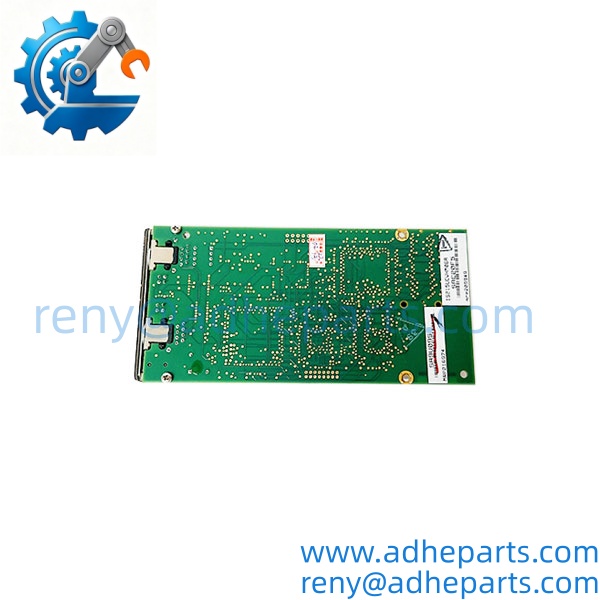
IS215UCVHM06A
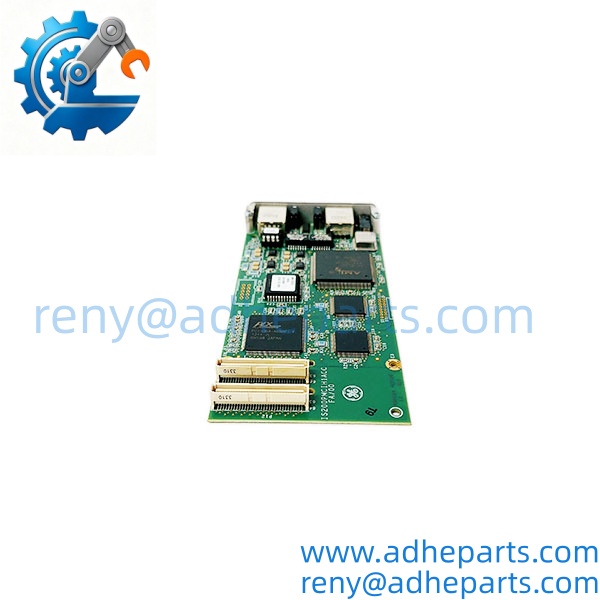
IS215UCVHM06A
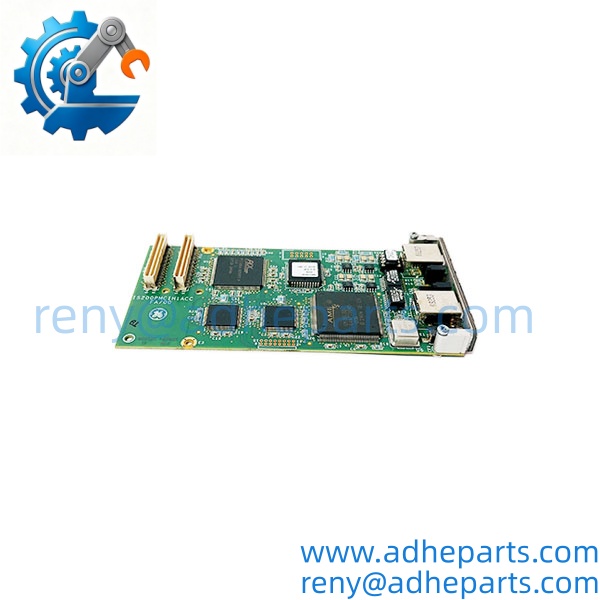
IS215UCVHM06A
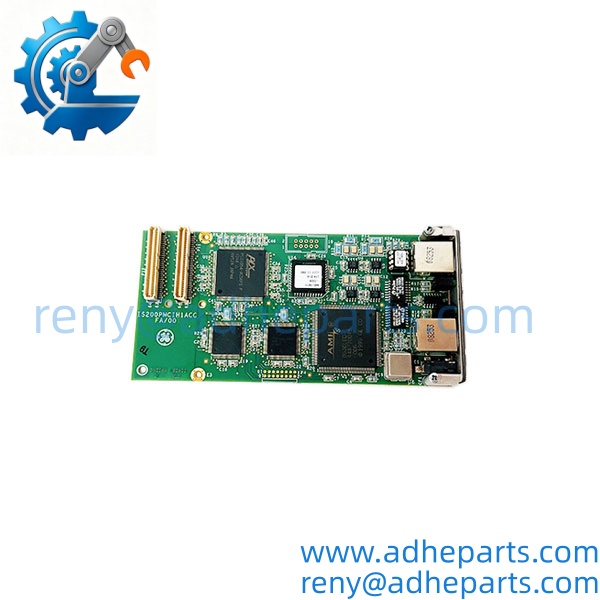
IS215UCVHM06A
4. Key Technical Specifications
| Parameter | Value |
|---|---|
| Part Number | IS215UCVHM06A |
| Description | Universal Controller (UCVH) VME Processor Module |
| System Compatibility | GE Speedtronic Mark VI / Mark VIe |
| Processor | Intel Ultra Low Voltage Celeron, 1067 MHz (1.06 GHz) |
| Memory | 1 GB SDRAM; 128 MB Flash |
| Ethernet Ports | Two 10BaseT/100BaseTX (RJ-45) |
| Bus Interface | VME |
| Form Factor | Single-slot VME board (typical 6U) |
| Operating Temperature | Typically 0°C to 60°C |
| Redundancy Support | Compatible with simplex, dual, and TMR configurations |
5. Field Application & Technical Pitfalls (The Engineer’s Guide)
This module serves as a primary or redundant controller in Mark VI / Mark VIe systems, executing the turbine application software and communicating with I/O boards over the VME bus and with HMIs or other systems via Ethernet.
Three pitfalls appear during replacement:
Application and firmware match – the replacement controller must run the correct application software version and be compatible with the installed system configuration.
Ethernet and IP settings – incorrect network configuration on either Ethernet port can isolate the controller from the UDH or peer controllers.
VME seating and power – incomplete seating in the VME rack or marginal power supply capacity can cause intermittent resets or diagnostic faults.
One plant replaced a UCVH controller and experienced repeated communication dropouts. The new board was healthy; one of the Ethernet cables had intermittent contact under vibration. Replacing the cable and verifying link status restored stable operation.
6. Quality Control (QC) SOP & Transparency
- Inbound Verification – OEM labeling, full part number (including suffix), and date codes are photographed and checked against the packing list; any signs of prior field use are noted.
- Live Rig Testing – module is installed in a known-good Mark VI / Mark VIe compatible VME chassis, powered, and verified for successful power-up and status LED behavior.
- Parameter Testing – basic Ethernet link status and VME bus recognition are confirmed where test equipment is available.
- Final QA & Packaging – unit is sealed in an anti-static bag with desiccant, fitted with a QC-passed label showing test date and technician ID, then double-boxed for shipment.
7. Frequently Asked Questions (FAQ)
What is the IS215UCVHM06A?
It is a Universal Controller (UCVH) VME processor module used in GE Speedtronic Mark VI and Mark VIe turbine control systems.
What processor does it use?
An Intel Ultra Low Voltage Celeron running at 1067 MHz (1.06 GHz).
How much memory does it have?
1 GB of SDRAM and 128 MB of flash memory.
Does it support redundant configurations?
Yes. It can be used in simplex, dual, or Triple Modular Redundant (TMR) system architectures.
What warranty comes with a new-surplus unit?
Twelve months from shipment against defects in materials and workmanship when installed within the published ratings.
How do I confirm the module is healthy after installation?
Install the controller in the correct VME slot, apply system power, verify status indicators show a healthy state, confirm the module is recognized by the control system software, and check that application loading and I/O communication functions operate without new diagnostic alarms.