Description
Note: Many products are not yet listed. Please contact us for more product information. Our supply channels are constantly expanding, and we currently have 20 stable shared supply channels. Please confirm the model, product, price, and all other necessary information with customer service before placing an order. We offer new, refurbished, and used products, and prices are adjusted according to the year of the item you require.
3. Product Introduction (Anti-Template)
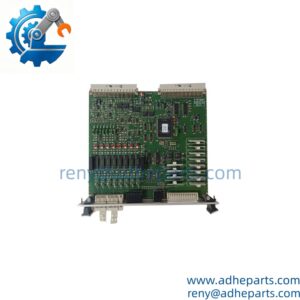
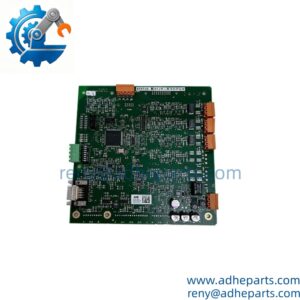
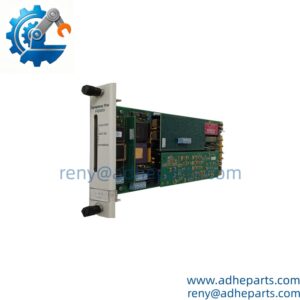
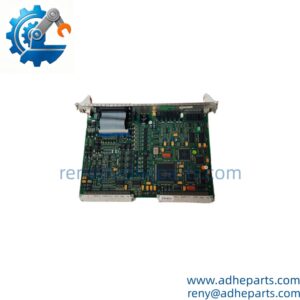
Turbine control systems depend on reliable discrete outputs to actuate fuel valves, trip circuits, auxiliary pumps, and alarms. The DS200TCRAG1ACC is the relay output board (TCRA) used in GE Speedtronic Mark V systems to convert processor commands into isolated relay contacts.
It carries a full complement of plug-in relays and interfaces through multiple high-density connectors to the rest of the Mark V I/O core. Plants that still operate Mark V turbines keep this board available because loss of the relay outputs can disable critical interlocks and trip functions until a replacement is installed.
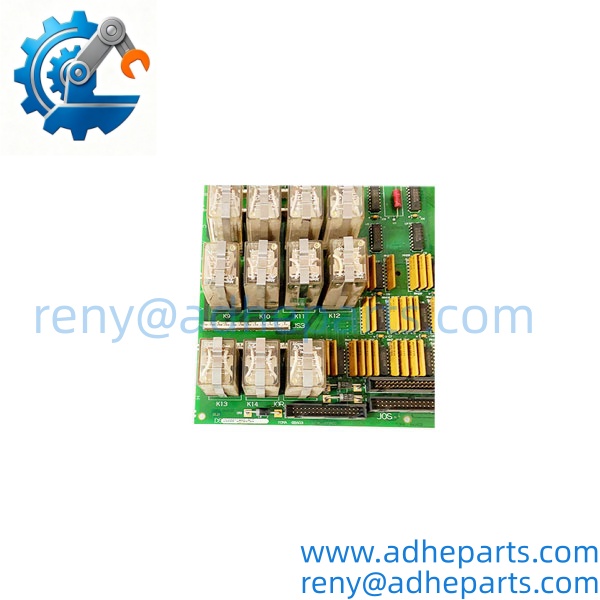
DS200TCRAG1ACC
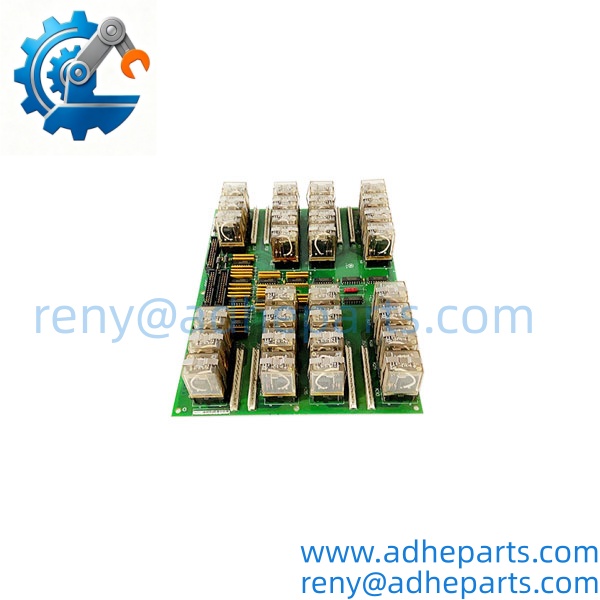
DS200TCRAG1ACC
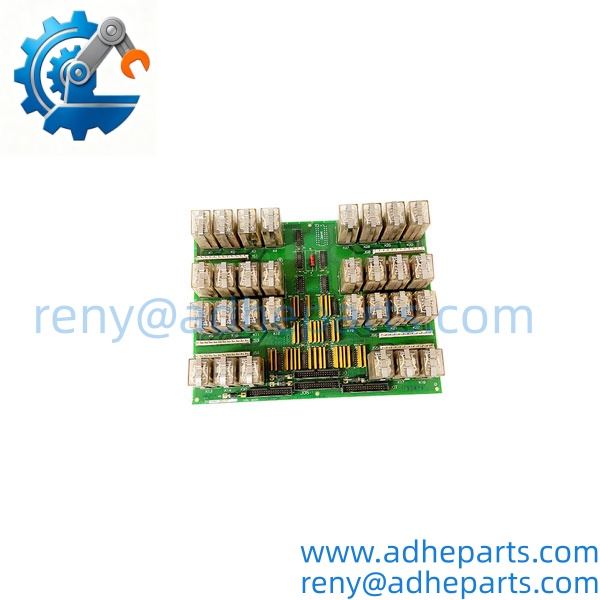
DS200TCRAG1ACC
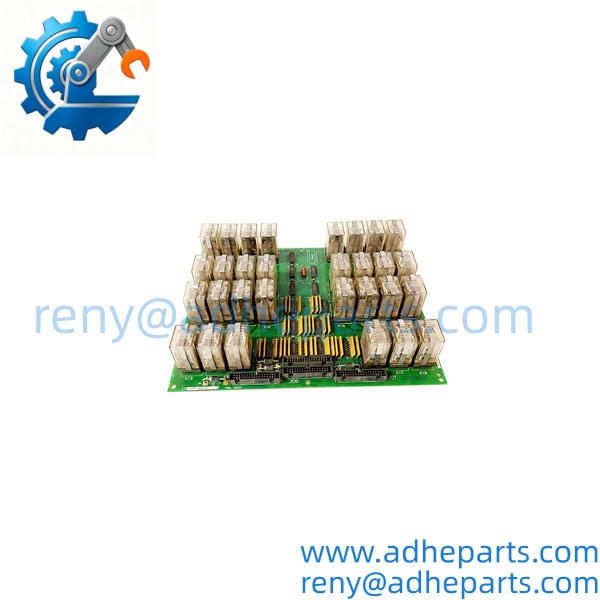
DS200TCRAG1ACC
4. Key Technical Specifications
| Parameter | Value |
|---|---|
| Part Number | DS200TCRAG1ACC |
| Series | Speedtronic Mark V |
| Functional Description | Relay Output Board (TCRA) |
| Relays | 30 plug-in relays |
| Connectors | 4 × 34-pin (JOR, JOS, JOT, JO); 4 × 12-pin (JS3, JS4, JS5, JS6) |
| PCB Coating | Normal coating |
| Revisions | Three revisions; first two generally backwards-compatible |
| System Grouping | Mark V Group 1 |
| Application | Gas, steam, and related turbine control systems |
| Redundancy Support | Compatible with TMR (Triple Modular Redundant) architectures |
5. Field Application & Technical Pitfalls (The Engineer’s Guide)
This board is installed in Mark V control cabinets to drive discrete loads such as fuel shutoff valves, lube-oil pumps, vent valves, and annunciators. In TMR systems the outputs participate in voted logic so that a single processor fault does not produce a spurious trip or failure-to-trip.
Three pitfalls appear during replacement:
Connector orientation and labeling – the board has multiple similar 34-pin and 12-pin connectors; incorrect cable placement can misroute critical outputs.
Relay contact rating and load type – inductive loads without suppression can weld contacts or generate voltage spikes that affect adjacent channels.
Revision compatibility – later revisions are generally compatible, but firmware or system configuration should be checked when replacing an older board.
One plant replaced a failed TCRA and immediately lost several auxiliary outputs. The new board was healthy; two of the 34-pin cables had been swapped during installation. Correcting the cable positions restored normal operation.
6. Quality Control (QC) SOP & Transparency
- Inbound Verification – OEM labeling, part number, and revision codes are photographed and checked against the packing list; any signs of prior field use are noted.
- Live Rig Testing – board is installed in a known-good Mark V test chassis, powered, and exercised with simulated processor commands to verify relay operation on multiple channels.
- Parameter Testing – contact continuity, isolation, and LED status indicators are confirmed where accessible.
- Final QA & Packaging – unit is sealed in an anti-static bag with desiccant, fitted with a QC-passed label showing test date and technician ID, then double-boxed for shipment.
7. Frequently Asked Questions (FAQ)
What is the primary function of the DS200TCRAG1ACC?
It is a relay output board that provides isolated discrete outputs for the GE Speedtronic Mark V turbine control system.
How many relays does it contain?
30 plug-in relays.
Is it compatible with TMR Mark V systems?
Yes. It is designed to operate within the Triple Modular Redundant architecture of the Mark V.
Does the board require software configuration?
No. Configuration is handled at the system and processor level; the board itself is hardware-driven.
What warranty comes with a new-surplus unit?
Twelve months from shipment against defects in materials and workmanship when installed within the published ratings.
How do I confirm the board is healthy after installation?
Apply system power, verify status indicators, force known output commands from the processors, confirm relay contact operation on critical channels, and check that no unexpected faults are reported by the Mark V diagnostics.