Description
Note: Many products are not yet listed. Please contact us for more product information. Our supply channels are constantly expanding, and we currently have 20 stable shared supply channels. Please confirm the model, product, price, and all other necessary information with customer service before placing an order. We offer new, refurbished, and used products, and prices are adjusted according to the year of the item you require.
3. Key Technical Specifications
| Parameter | Value |
|---|---|
| Model | MVME147 / MVME147A series |
| Form Factor | 6U single-height VME |
| Processor | MC68030 (16 / 25 / 33.33 MHz options) |
| Floating-Point Co-processor | MC68882 (matching clock) |
| Memory | 4 / 8 / 16 / 32 MB shared DRAM (parity options) |
| On-board I/O | 4× EIA-232 serial, Centronics parallel, SCSI, Ethernet (most variants) |
| VMEbus Interface | A32/D32 master/slave with system controller capability |
| Additional Features | Battery-backed SRAM + TOD clock, 4 EPROM sockets, on-board debugger |
| Transition Module | Typically used with MVME712 series |
4. Product Introduction (Anti-Template)
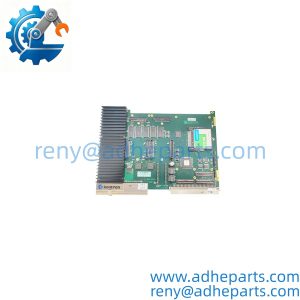
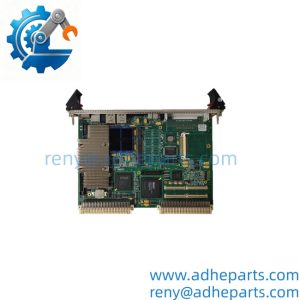
The Motorola MVME147A (part of the broader MVME147 family) is a classic 6U VME single-board computer built around the MC68030 microprocessor. It was one of the early Motorola boards to integrate a full set of on-board peripherals, reducing the need for additional I/O modules in the VME chassis.
Depending on the exact variant, the board offers a 16, 25, or 33.33 MHz 68030, matching MC68882 floating-point co-processor, and 4 to 32 MB of shared DRAM. Most production versions include Ethernet (LANCE controller), SCSI, four serial ports, and a Centronics-compatible parallel port. The VME interface supports full A32/D32 master/slave operation and can function as the system controller. I/O signals are typically brought out through a P2 transition module such as the MVME712 series. These boards were widely used in industrial control, telecommunications, and embedded real-time systems running operating systems such as VxWorks, OS-9, or pSOS+. Because the series spans multiple memory and clock-speed configurations, exact model identification is essential when ordering a replacement.
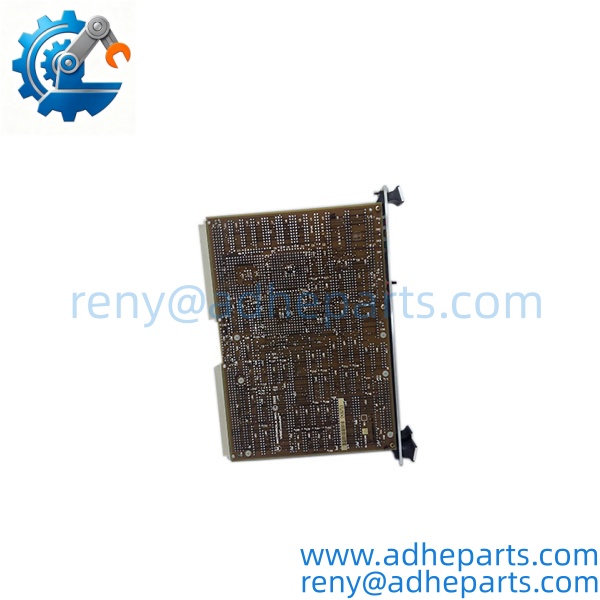
MVME-147A
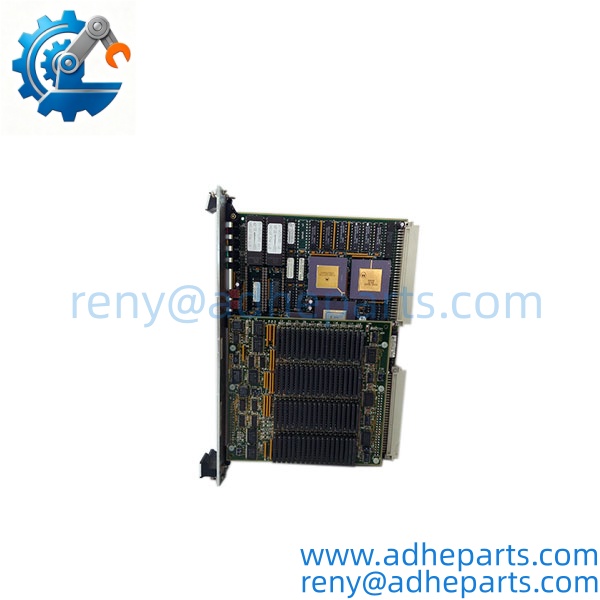
MVME-147A
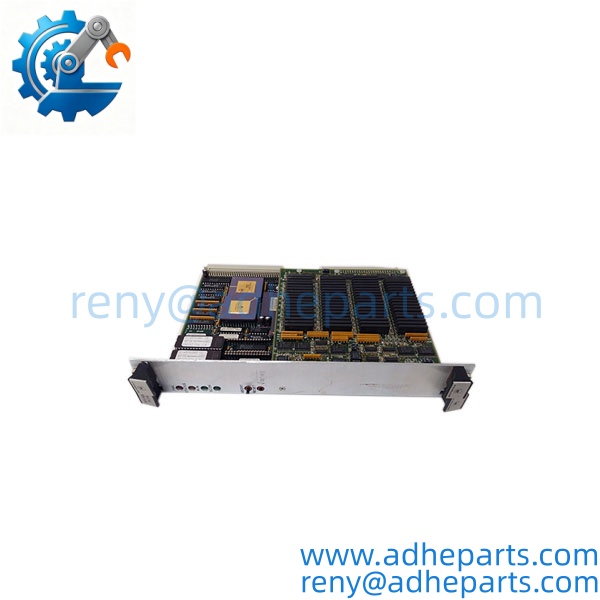
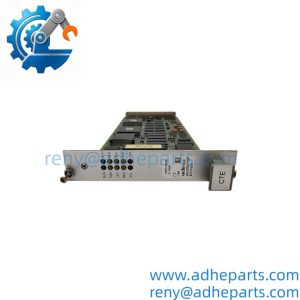
MVME-147A
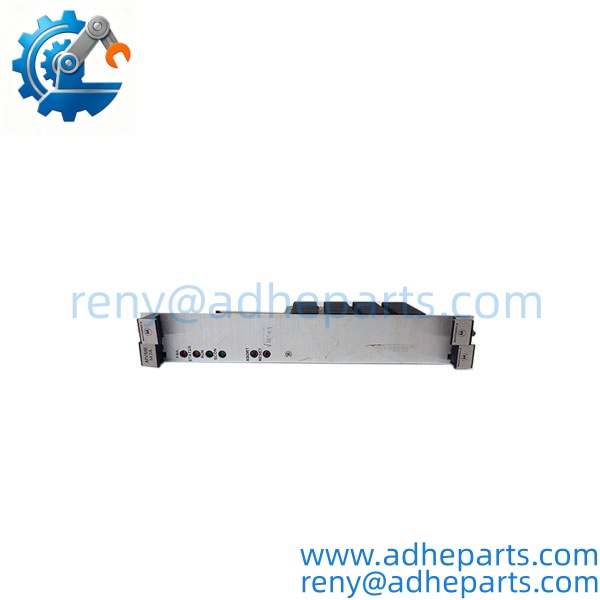
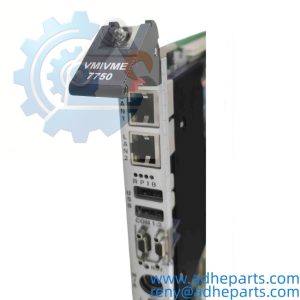
MVME-147A
5. QC, Procurement & Logistics SOP
- Inbound Verification – Confirm full model number (including memory size and clock speed suffix if present), revision level, and presence of required peripherals (Ethernet, SCSI, etc.). Photograph all labels and connectors.
- Functional Testing – Install in a compatible VME chassis, apply power, and verify front-panel LEDs, serial console response, and basic memory/ethernet operation where possible. Full validation requires the target operating system and application.
- QA & Packaging – Protect P1/P2 connectors and edge contacts, clean according to electronics handling practices, and pack in anti-static protective packaging with rigid support.
- Global Logistics & Export Compliance – Classify under the correct HS code for industrial VME processor boards. Packaging must protect against electrostatic discharge and mechanical shock; export documentation is prepared to minimize customs delays.
6. Technical Pitfalls & Integration Warnings
Exact Variant Matching – The MVME147 family includes multiple clock speeds and memory sizes. Confirm the required configuration (e.g., 25 MHz / 16 MB) before ordering.
Transition Module – Most I/O (serial, Ethernet, SCSI, parallel) exits via the P2 connector and requires a matching MVME712-series transition board.
Firmware / Boot – Confirm the required debugger/monitor firmware and any application-specific EPROM contents.
VME System Controller – Only one board in a chassis should be configured as the system controller. Incorrect jumper settings can cause bus contention.
7. Frequently Asked Questions (FAQ)
What is the realistic global lead time for a verified MVME147A?
As a legacy VME single-board computer, availability depends on surplus stock. Typical lead time after verification is 5–20 business days plus specialized shipping.
What is the primary function of this board?
It is a 6U VME single-board computer based on the MC68030 processor with integrated I/O for industrial and embedded applications.
What processor and memory options were available?
MC68030 at 16, 25, or 33.33 MHz with 4, 8, 16, or 32 MB DRAM depending on the exact model.
Does it include Ethernet and SCSI?
Most production variants include both Ethernet and SCSI interfaces.
What transition module is typically used?
The MVME712 series is the common transition module for bringing out serial, parallel, Ethernet, and SCSI connectors.
Is the board still in production?
No. The MVME147 series is a long-discontinued legacy product. Units are sourced exclusively from surplus and specialist refurbishment channels.
What should be confirmed before ordering a replacement?
Exact model/variant (clock speed and memory size), required peripherals, firmware/debugger version, and compatibility with the existing VME chassis and transition module.