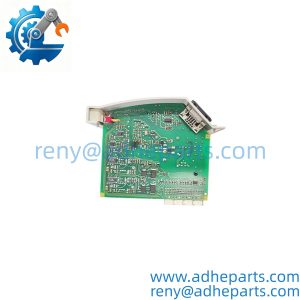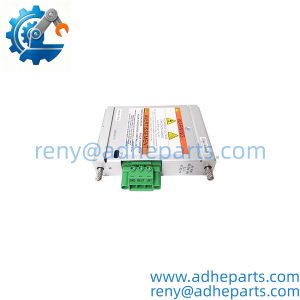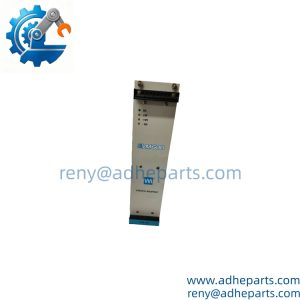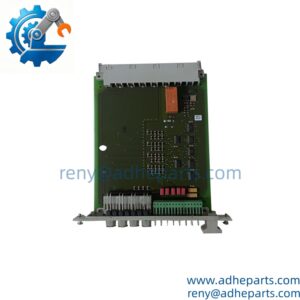
Description
Note: Many products are not yet listed. Please contact us for more product information. Our supply channels are constantly expanding, and we currently have 20 stable shared supply channels. Please confirm the model, product, price, and all other necessary information with customer service before placing an order. We offer new, refurbished, and used products, and prices are adjusted according to the year of the item you require.
Product Introduction
Cabinet‑wide voltage drops can trigger random I/O faults that waste hours of maintenance diagnostic time.
This discontinued DR‑100‑24 unit delivers stabilized 24 VDC power for standard industrial cabinet loads, mounting directly onto standard TS‑35 DIN rail. It relies on passive free‑air convection, so clearance around vent slots directly impacts long‑term service life —though your mileage may vary depending on cabinet ambient temperatureMEAN WELL ….
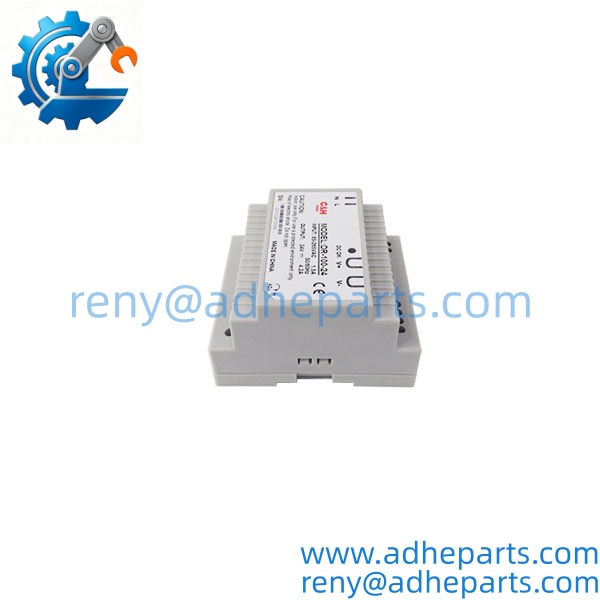
DR-100-24
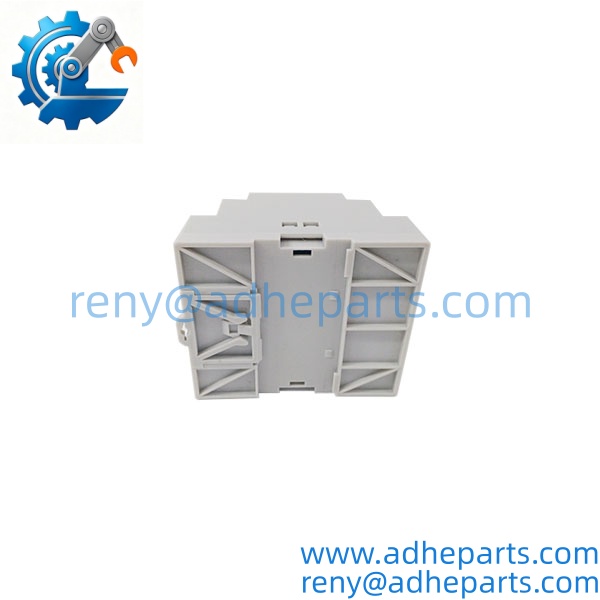
DR-100-24
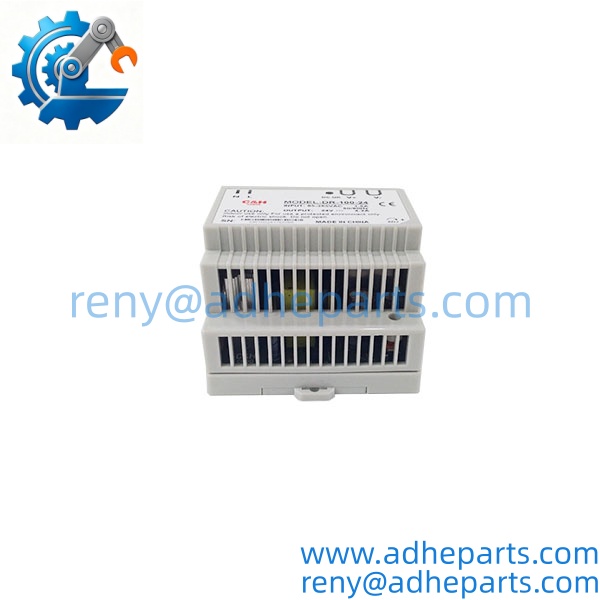
DR-100-24
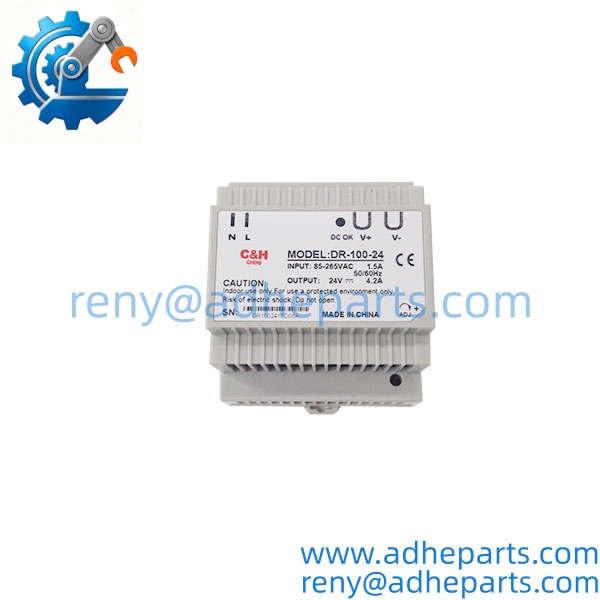
DR-100-24
Key Technical Specifications
| Parameter | Value |
|---|---|
| Rated Output Power | 100.8 WMEAN WELL … |
| DC Output | 24 VDC, 4.2 A max continuousMEAN WELL … |
| Input Voltage Range | 88‑264 VAC, 50/60 HzMEAN WELL … |
| Voltage Adjustment Range | 24‑28 VDC via front‑panel trim pot |
| Typical Efficiency | 89 % at full loadMEAN WELL … |
| Mounting Standard | TS‑35/7.5 or TS‑35‑15 DIN railMEAN WELL … |
| Cooling Method | Natural free‑air convection (no fan)MEAN WELL … |
| Operating Temperature | ‑20 °C up to +60 °C (derate above 50 °C) |
| Protections | Over‑voltage, over‑current, short‑circuit auto‑recovery |
| Status Indicator | DC‑OK LED on front face |
| Mechanical Dimensions | 100 L × 93 W × 56 H mmMEAN WELL |
Field Application & Technical Pitfalls (The Engineer’s Guide)
This power supply sees frequent deployment across three common industrial scenarios. Small‑batch manufacturing control cabinets feed PLC and digital sensor arrays. Water‑treatment local I/O racks run solenoid valve banks off its 24 V output. Conveyor system auxiliary cabinets rely on it for proximity‑sensor power.
Critical technical pitfalls during replacement:
- Over‑temperature derating ignored: Ambient cabinet temperatures above 50 °C demand load reduction. Most technicians run near full power without derating and trigger premature shutdowns.
- Trim‑pot mis‑adjustment: The small adjustment potentiometer sits at the terminal block furthest to the right. Cranking it too high can push 28 VDC into downstream I/O modules and blow component fuses.
- Blocked ventilation slots: Mounting other hardware flush against top or bottom vent fins eliminates passive cooling and accelerates internal capacitor aging.
A maintenance team swapped a failing DR‑100‑24 during a weekend shutdown. They squeezed a terminal block terminal directly against its upper ventilation slots and left the trim‑pot untouched. On hot weekday shifts, internal thermal limits tripped intermittently. Operators faced random sensor drop‑outs that only surfaced under high‑load daytime conditions. Two shifts passed before technicians spotted the blocked vents. Always confirm 15 mm minimum clearance above and below the unit after DIN‑rail installation.
Quality Control (QC) SOP & Transparency
- Inbound Verification: Match printed model marking and serial number against OEM carton label. Inspect housing for crack damage or bent terminal screw posts. Check counterfeit red flags including blurry print and misaligned MW logo printing. Confirm no signs of prior DIN‑rail clip wear.
- Live Rig Testing: Clip unit onto DIN‑rail test fixture, apply variable 88‑264 VAC input. Verify DC‑OK LED illuminates at power‑on. Connect electronic load bank and validate stable 24 VDC output at 20 %, 50 %, and 100 % rated load. Confirm short‑circuit protection engages correctly.
- Parameter Testing: Record output voltage across full input‑voltage window. Exercise front‑panel trim potentiometer across its full adjustment range to confirm voltage tracks within published bounds. Check no excessive temperature rise occurs during one‑hour full‑load burn‑in.
- Final QA & Packaging: Torque all terminal screws to spec then loosen for shipping. Seal unit inside anti‑static bag. Apply QC‑passed sticker with burn‑in timestamp. Pack with foam cushioning for transit stress protection.
Frequently Asked Questions (FAQ)
Can I hot‑swap this Mean Well DR‑100‑24 while cabinet AC mains stay energized?No. This unit does not support hot‑swap replacement. De‑energize the upstream AC circuit before removal or installation. Live‑line terminal insertion creates arc risks for nearby control hardware.
What hardware can this DR‑100‑24 directly power?Built for standard 24 VDC industrial loads including PLC backplanes, proximity sensors, relay coils, and digital I/O modules. Verify exact load‑current draw against the OEM datasheet before final integration.
What warranty coverage applies to new‑surplus DR‑100‑24 units?Twelve‑month functional warranty is provided. Warranty does not cover damage from over‑temperature operation, mis‑adjusted output trim, or field‑side wiring shorts. Cosmetic shelf‑wear marks do not void coverage.
How do I tell genuine Mean Well stock from counterfeit copies?Genuine units show sharp, crisp laser‑printed serial numbers, consistent plastic housing texture, and correct DC‑OK LED brightness. Well, technically some legitimate surplus units show minor shelf scuffs, so cross‑check full‑load output performance on a test rig as well.
Is the DR‑100‑24 still in active OEM production?No, this model is officially discontinued by Mean Well. Direct cross‑reference replacement part numbers are available, though footprint and terminal layout may differ from your existing cabinet cutoutsMEAN WELL ….
What happens if I run this power supply above 60 °C ambient?Internal thermal protection will cut DC output to prevent component failure. Intermittent, hard‑to‑reproduce sensor drop‑outs are the most common symptom. Long‑term high‑temperature operation degrades electrolytic capacitors and shortens service life.
How long will lead‑times run when stock is depleted?Genuine DR‑100‑24 inventory is limited. Sourcing lead‑times stretch out significantly once existing stock is exhausted. Confirm stock availability before locking in plant outage timelines.