Description
Note: Many products are not yet listed. Please contact us for more product information. Our supply channels are constantly expanding, and we currently have 20 stable shared supply channels. Please confirm the model, product, price, and all other necessary information with customer service before placing an order. We offer new, refurbished, and used products, and prices are adjusted according to the year of the item you require.
Product Introduction
When a refinery’s LEL gas detection loop fails to trigger an alarm during a small hydrocarbon leak, the root cause almost always traces back to a misconfigured or dead control card.
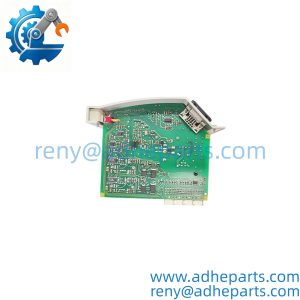
As the core single-channel processing unit for the Honeywell System 57 platform, this card reads raw 4-20mA gas detector signals directly on-board. It stores all alarm setpoints and calibration data in non-volatile EEPROM, so you never lose configuration data during a 24VDC power cycle.
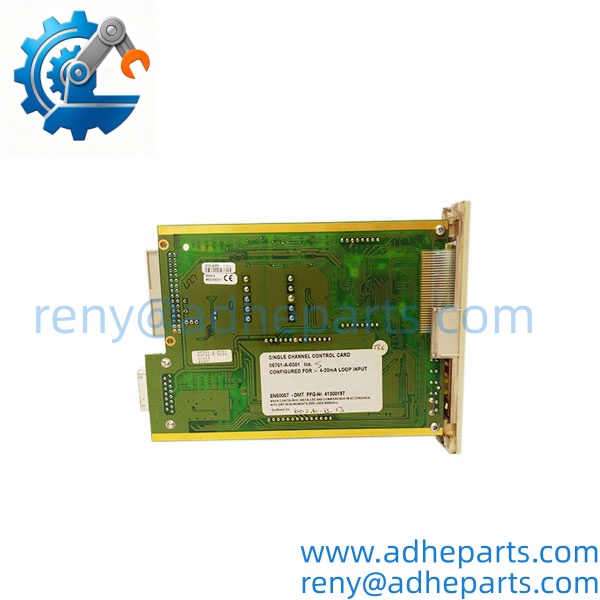
05701-A-0301
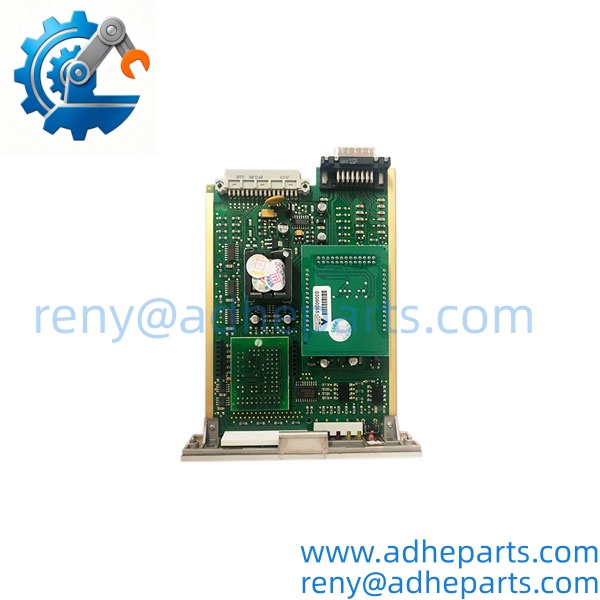
05701-A-0301
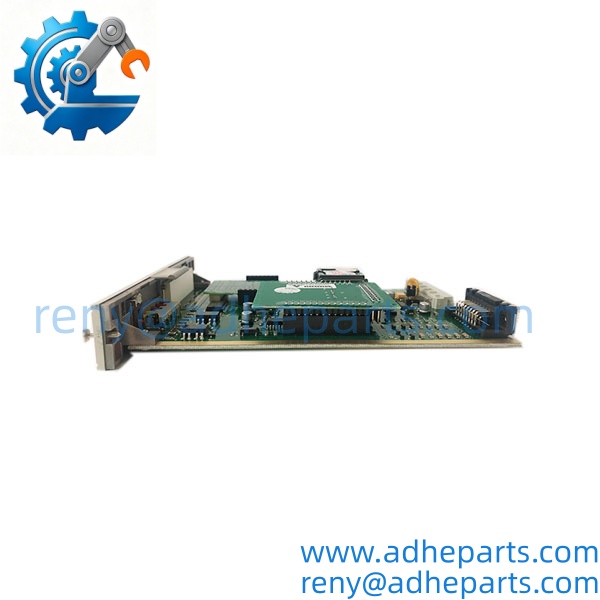
05701-A-0301
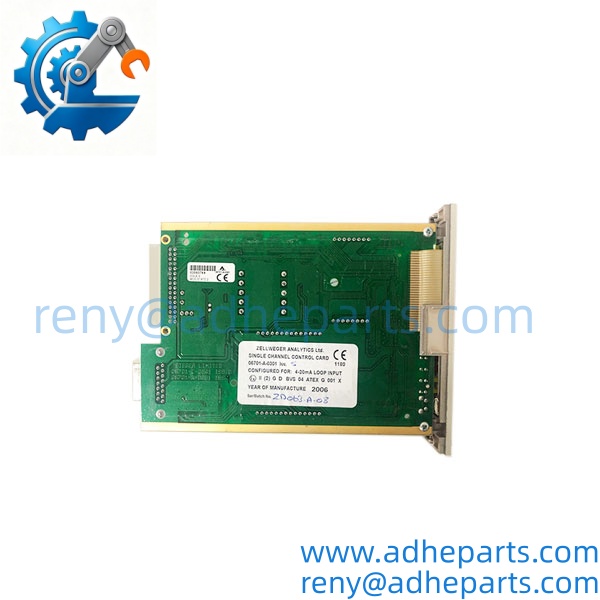
05701-A-0301
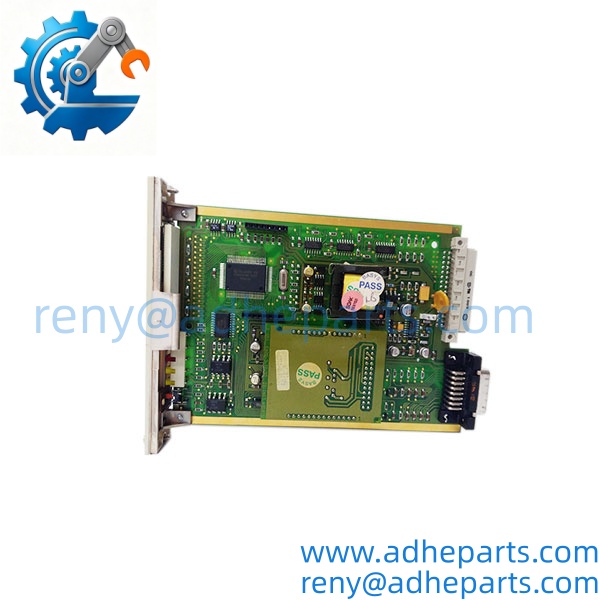
05701-A-0301
Key Technical Specifications
| Parameter | Value |
|---|---|
| Input Signal | 4-20mA analog from gas detector |
| Output Type | 1 Form C relay (5A @ 250VAC resistive) |
| Full Scale Accuracy | ±0.1% |
| Nominal Power Supply | 24 VDC (18–32 VDC operating range) |
| Typical Power Consumption | 3.25 W |
| Operating Temperature Range | -20°C to +60°C |
| Non-condensing Humidity Rating | 5% to 95% RH |
| Vibration Rating | 0.015″ amplitude, 10–2000 Hz |
| Shock Rating | 15g peak, 11ms half sine pulse |
| Physical Dimensions | 110mm H × 90mm W × 30mm D |
| Net Weight | 0.2 kg |
| Approvals | CE, UL certified |
Field Application & Technical Pitfalls
This part runs three non-negotiable safety-critical roles.
First, it monitors LEL levels in oil and gas compressor buildings, where a missed 10% LEL alarm can trigger an explosive event that costs millions in facility damage.
Second, it tracks toxic H2S concentrations in wastewater treatment plant headspaces, protecting maintenance crews from acute exposure during routine rounds.
Third, it serves as the final alarm stage for chlorine gas leak detection in municipal water treatment facilities, triggering ventilation and emergency isolation valves automatically.
⚠️ Calibration Data Corruption Risk: This card stores zero and span calibration values in volatile RAM if you pull it from the rack without first putting it into inhibit mode. You’ll lose all calibration offsets and get 15%+ reading drift on the next power-up.
⚠️ Relay Contact Voltage Overload: The relay is only rated for 5A @ 250VAC resistive. If you wire it directly to a 120VAC alarm horn with no interposing relay, you’ll arc the contacts permanently closed and lock the system in a permanent alarm state.
⚠️ Engineering Card Pin Misalignment: If you don’t line up the 8-pin connector on the 05701-A-0361 engineering card with the third terminal block from the left on the front of the module, you’ll short the configuration port and blow the on-board EEPROM fuse.
I watched a junior safety tech skip the inhibit step last summer. He pulled this card out of a chlorine monitoring rack mid-shift to swap a faulty unit, then popped the new one in without reloading the saved calibration file. The card read 4mA as 2ppm chlorine instead of 0ppm, drifted the alarm threshold, and the facility ran for 14 hours with no working chlorine leak protection before the weekly calibration check caught it. That single 30-second shortcut forced a full 24-hour plant safety shutdown to re-verify every gas detection loop on site.
Quality Control (QC) SOP & Transparency
- Inbound Verification: Cross-check the OEM serial number against Honeywell’s System 57 part revision database, run anti-counterfeit validation on the module’s laser-etched serial label, and confirm no prior rework traces on the edge connector pins.
- Live Rig Testing: Seat the card in a certified System 57 test rack, connect a calibrated 4-20mA signal simulator, and verify full 4mA to 20mA tracking across the full 0–100% LEL measurement range.
- Parameter Testing: Perform 500V DC 60-second insulation resistance test across all signal and power terminals, confirm no reading drift during 4 hours of continuous full-scale signal input, and log all accuracy data at 25°C, 50°C, and 60°C.
- Final QA & Packaging: Seal the fully tested module in a static-shielding anti-static bag, apply a unique QC passed serial label, and pack it in ESD-dissipative foam with a printed hard copy of the calibration test report.
Frequently Asked Questions
- Can I hot-swap this card while the System 57 rack is powered on? Yes, but you must long-press the front panel reset button for 1.5 seconds to put the channel into inhibit mode first. If you skip this step, the system will trigger a full fault alarm for all connected channels on the rack.
- What exact System 57 configurations does this part work with? It is fully compatible with all System 57 racks running v2.0 or newer firmware. It will not communicate properly with the older catalytic sensor variant 05701-A-0302 that uses a different analog input front end.
- How long is the standard warranty for this new surplus unit? It carries a full 12-month functional warranty. If it fails within that window under specified operating conditions, we cover all return shipping and bench replacement costs.
- How do I tell a genuine OEM unit apart from a refurbished clone? Genuine units have the Honeywell hologram sticker on the top edge of the PCB, and the front panel LED lenses are molded into the polycarbonate faceplate. Refurbished clones usually use stick-on LED labels and skip the official hologram.
- Will this 05701-A-0301 directly replace an older 5701 non-A variant? No. The legacy 5701 uses no EEPROM for configuration storage, so you will need to re-run full zero and span calibration after swapping to this -A-0301 unit.
- What’s the maximum safe continuous operating temperature at full accuracy? It will hold ±0.1% full scale accuracy up to 60°C, though your mileage may vary if the rack ambient temperature spikes above 65°C and the on-board reference resistor drifts out of tolerance.