Description
Note: Many products are not yet listed. Please contact us for more product information. Our supply channels are constantly expanding, and we currently have 20 stable shared supply channels. Please confirm the model, product, price, and all other necessary information with customer service before placing an order. We offer new, refurbished, and used products, and prices are adjusted according to the year of the item you require.
Key Technical Specifications
| Parameter | Value |
|---|---|
| Full Part Number | 369‑HI‑R‑M‑F‑E‑H‑E |
| Form Factor | 4U rack‑mount panel‑cutout housing |
| Auxiliary Power | 70‑265 VAC / 88‑300 VDC, <15 W consumption |
| CT Secondary Rating | 1 A / 5 A configurable |
| RTD Inputs | Up to 12 sensor points for stator, bearing and ambient readings |
| Communication Ports | RS232 front port, multiple RS485 rear ports, Modbus RTU protocol |
| Protection Functions | Thermal overload, stall, jam, unbalance, over‑under voltage, start‑count limiting |
| Operating Temperature | ‑40 °C to +60 °C |
| Dimensions | 177 × 266 × 210 mm |
| Approximate Weight | 2.1 kg |
| Host Application | Medium‑voltage AC motor protection within industrial motor control centers |
Product Introduction
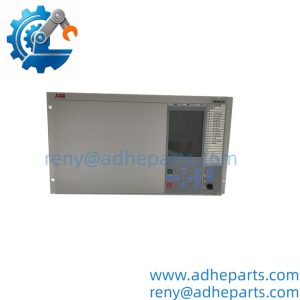
When a main motor stalls and unplanned process shutdowns hit production output hard, correct protective relay configuration becomes critical plant infrastructure. Operating as the all‑in‑one protective hub for medium‑voltage motors, the 369‑HI‑R‑M‑F‑E‑H‑E combines thermal modeling, RTD temperature tracking, and event logging inside one cabinet‑mount unit.
It stores motor start history and disturbance records for post‑fault root‑cause review. Honestly, this built‑in logging cuts hours of diagnostic work after an unexpected motor trip. Original OEM manufacturing has ended, so most site retrofits and spare‑part replacements draw from aftermarket validated hardware pools.
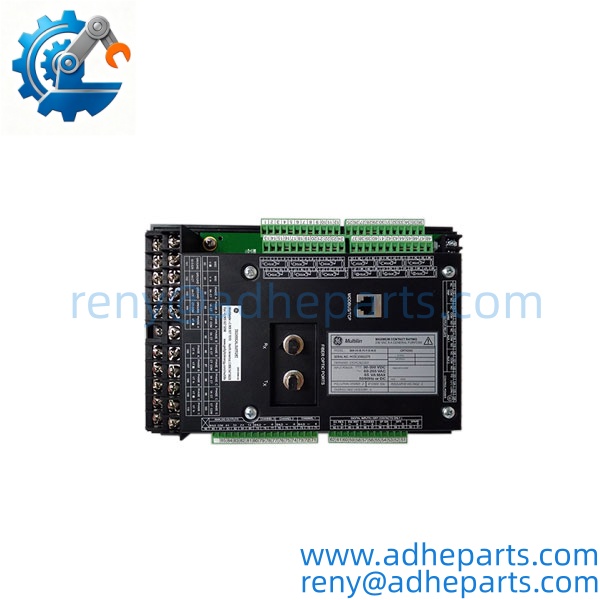
369-HI-R-M-F-E-H-E
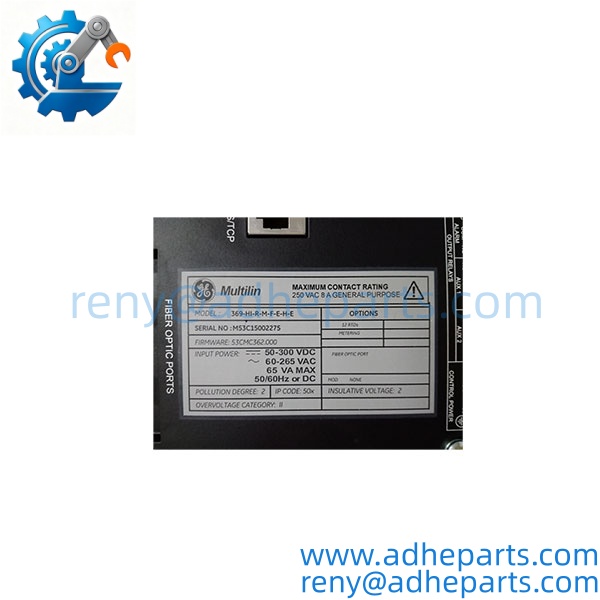
369-HI-R-M-F-E-H-E
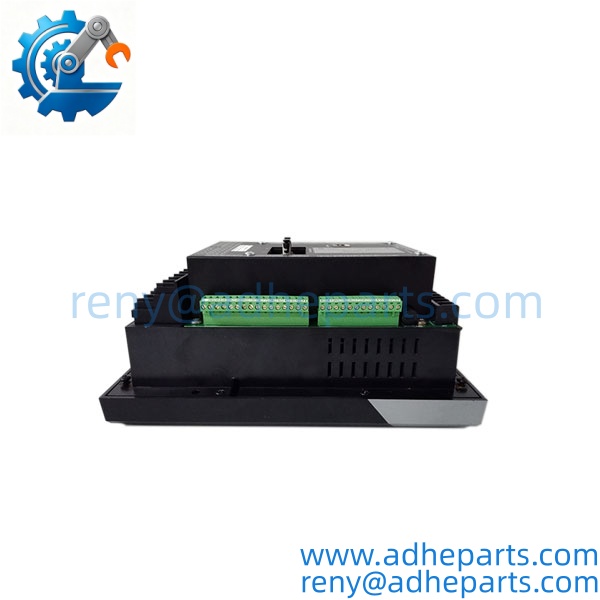
369-HI-R-M-F-E-H-E
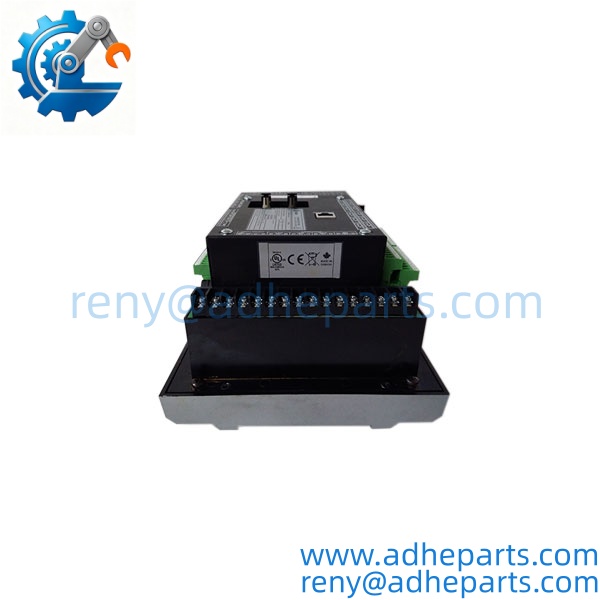
369-HI-R-M-F-E-H-E
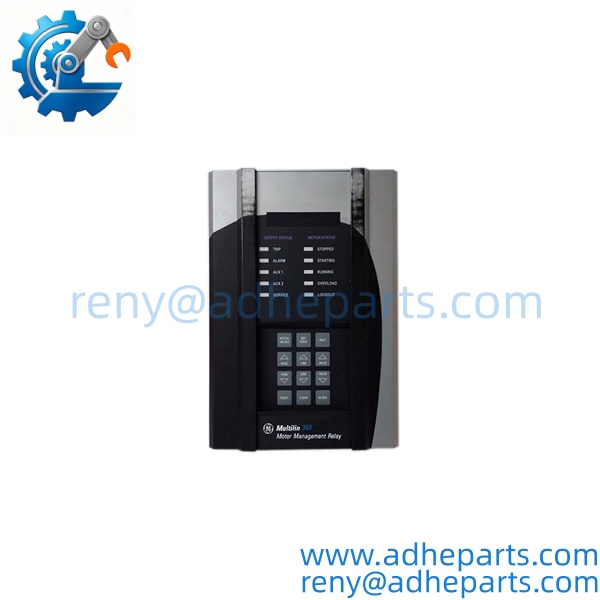
369-HI-R-M-F-E-H-E
QC, Procurement & Logistics SOP
- Inbound Verification: Confirm front‑panel and side label exactly match full part number 369‑HI‑R‑M‑F‑E‑H‑E. Log serial identifier for traceability. Reject units with sanded, altered, or re‑applied adhesive labels.
- Live Rig Testing: Apply rated auxiliary supply voltage. Run full element simulation; verify RTD channel response, trip logic, and Modbus communication handshake against test software. Flag any unresponsive input channels or failed protection element tests.
- QA & Anti‑Static Packaging: Complete visual inspection for cracked display glass, burnt terminal blocks, swollen internal capacitors, bent wiring terminals. Fit unit inside static‑shield bag with custom foam for shock absorption.
- Global Logistics & Export Compliance: Assign correct HS classification for industrial protective relay equipment. Deploy heavy‑duty shock‑resistant cartons for air or sea freight —though customs clearance for power‑control gear in the Middle East might add 2‑4 days. All shipping documentation strictly matches commodity description.
Technical Pitfalls & Integration Warnings
- Firmware Rev Mismatch: Different firmware builds exist across identical‑label 369 hardware variants. A technician can mount and wire the relay correctly, yet see incomplete RTD data sets or mis‑executed trip curves after power‑up. Always cross‑check firmware revision against existing site motor setting files before commissioning.
- DIP Switch / Configuration errors: Rear‑panel hardware jumpers define CT secondary rating and communication node address. If a technician copies jumper placement from another 369 variant, the relay powers on but delivers skewed current metering and fails to trigger proper overload trips. Photograph original jumper positions before pulling the old unit.
- Wiring/Terminal incompatibility: This relay uses dedicated screw‑terminal assignments for RTD sensors, CT inputs, and trip output contacts. Reusing pre‑wired harnesses built for other Multilin relay models misroutes sensor signals. You get false temperature alarms with no immediate hardware burnout. Validate full terminal mapping before energizing control power.
- ESD destruction during unboxing: On‑board measurement and communication chips are static‑sensitive. A technician handling internal components without a grounded wrist strap creates latent damage. The relay may pass basic power‑on checks and produce erratic trip behavior months after cabinet installation.
Frequently Asked Questions (FAQ)
Q: What realistic global lead times should I budget for this 369‑HI‑R‑M‑F‑E‑H‑E relay? Verified surplus‑new stock can ship within 6‑9 working days. Refurbished hardware needs full protection‑element calibration plus communication validation, so plan for 22‑32 working days. Timelines extend if compatible test setup access cannot be secured.
Q: What shipping and customs paths fit cross‑border motor‑protection relay orders? Air freight works best for urgent unplanned motor‑room downtime events. Sea freight lowers landed cost for planned spare‑part stocking. Precise HS classification must appear on commercial invoices; incomplete documentation triggers extended customs holds across most industrial territories.
Q: Can I hot‑swap this relay while motor control‑cabinet auxiliary power stays live? Do not hot‑swap. Even with isolated input circuits, live terminal removal can corrupt relay setpoint memory and create unintended contact state changes that risk motor startup or false trip outputs. Cut all control‑circuit power before unit removal or installation.
Q: Can I install another 369‑series model as drop‑in hardware replacement for 369‑HI‑R‑M‑F‑E‑H‑E? Matching physical cutout size does not guarantee functional compatibility. Suffix‑defined feature sets control RTD capacity, ground‑fault logic, and communication options. A different 369 part number will fit the cabinet opening but lack required protection elements for your existing motor application.
Q: What failure mode appears most often on returned 369 series relays? Long‑term cabinet temperature cycling degrades internal electrolytic capacitors. Common symptoms include drifting RTD readings, random loss of Modbus connection, and sporadic nuisance trip alarms without clear field‑wiring root cause.
Q: Does GE Multilin still run official factory repair for defective 369‑HI‑R‑M‑F‑E‑H‑E units? Original OEM repair workflows have been terminated. Repair work depends on qualified third‑party industrial‑electronics vendors. Turnaround stretches because matching legacy calibration tools and spare internal components remain hard to source.
Q: What documentation ships together with this protective relay? Serial‑number traceability log, complete bench calibration and protection‑element test summary report, and standard commercial shipping paperwork. OEM original datasheets are no longer distributed; archived reference material can be furnished upon explicit buyer request.