Description
Note: Many products are not yet listed. Please contact us for more product information. Our supply channels are constantly expanding, and we currently have 20 stable shared supply channels. Please confirm the model, product, price, and all other necessary information with customer service before placing an order. We offer new, refurbished, and used products, and prices are adjusted according to the year of the item you require.
Key Technical Specifications
| Parameter | Value |
|---|---|
| Full Model ID | DECS‑200‑2L |
| Sensing Input | 120‑480 VAC, 50 / 60 Hz |
| Auxiliary Control Power | 120‑240 VAC |
| Continuous Field Output | 15 ADC per channel |
| Regulation Accuracy | ±0.2 % of nominal generator voltage |
| Response Time | <15 ms |
| Communications | RS‑485 Modbus, USB local service port |
| Protection Functions | OEL, UEL, loss‑of‑sensing, over‑excitation trip |
| Operating Temperature | ‑40 °C to +70 °C |
| Mounting Style | Panel‑mount enclosure |
| Weight | 2.7 kg |
Product Introduction (Anti‑Template)
With a scan rate below 15 ms and dual independent control loops, the DECS‑200‑2L maintains stable generator terminal voltage for grid‑tied or island‑mode power assets. Two separate control channels run in parallel; if one channel trips, the second picks up regulation without generator shutdown.
Many power plants keep one spare on hand. OEM lead times stretch long for this mature hardware. Honestly, onsite spare inventory prevents costly generator forced outages when the installed AVR fails mid‑run.
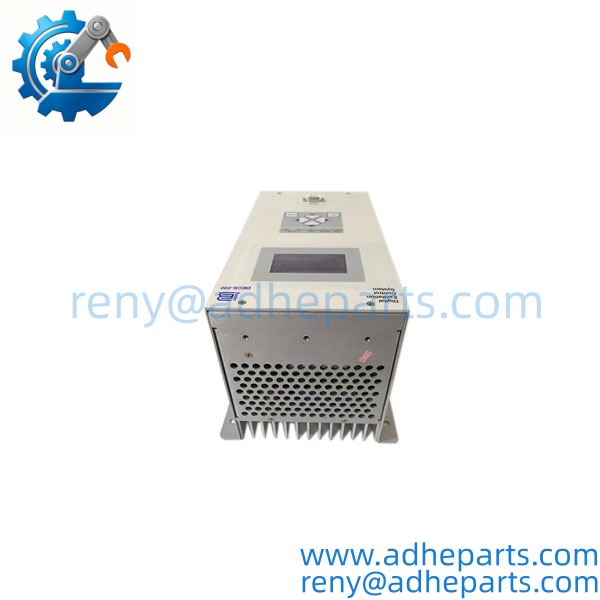
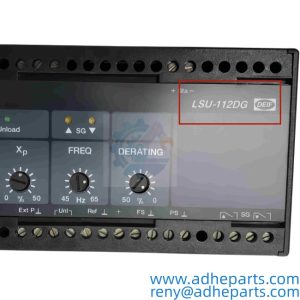
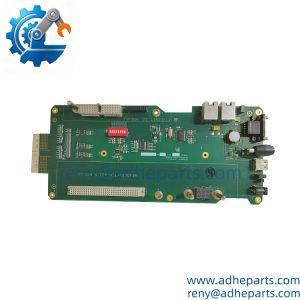
DECS-200-2L
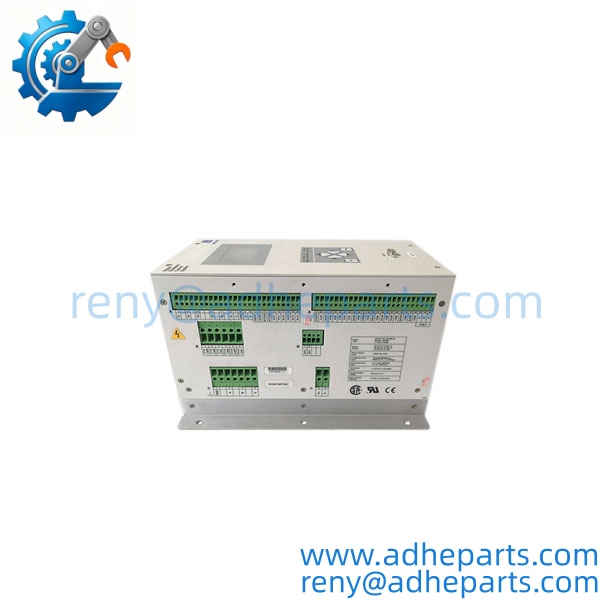
DECS-200-2L
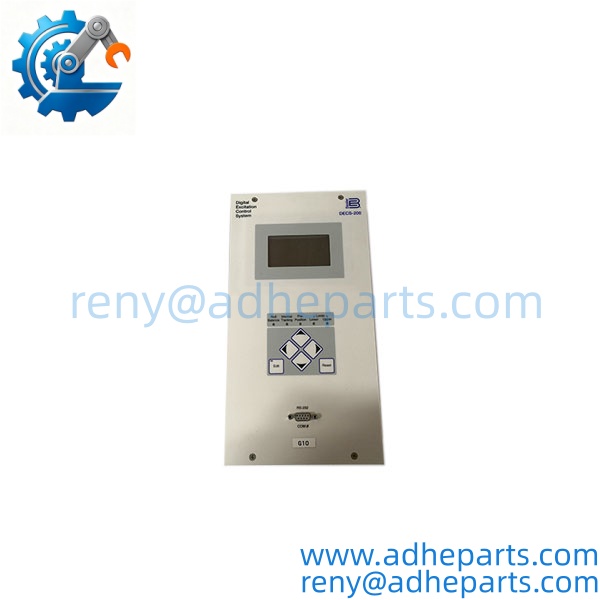
DECS-200-2L
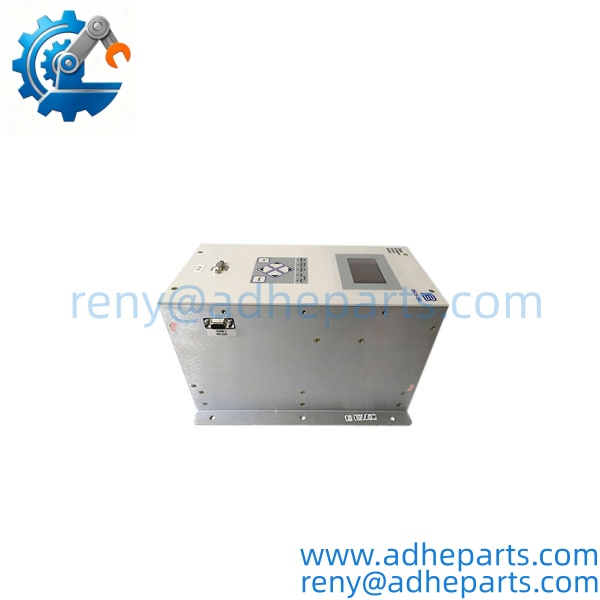
DECS-200-2L
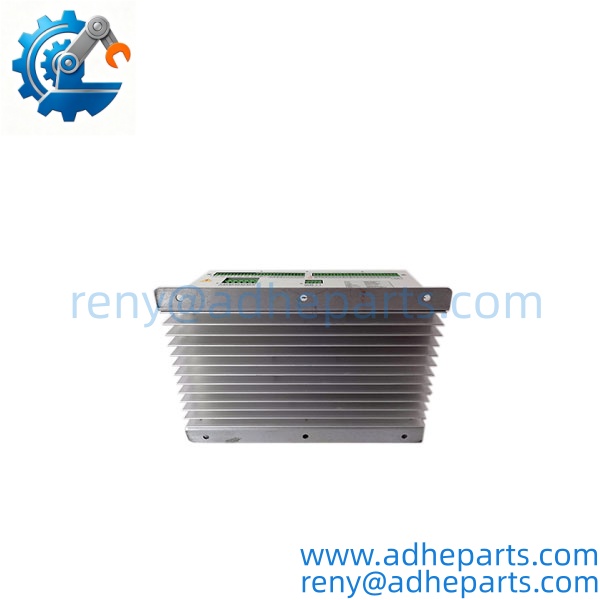
DECS-200-2L
QC, Procurement & Logistics SOP
- Inbound Verification: Cross‑check front‑panel model label for DECS‑200‑2L marking. Inspect terminal screw blocks for burn marks, check for water or dust intrusion. Match hardware revision against site generator bill‑of‑materials.
- Live Rig Testing: Apply rated auxiliary supply, simulate generator PT sensing signals, validate both channel regulation performance. Verify protective limit thresholds and Modbus communication response. Save complete test log.
- QA & Anti‑Static Packaging: Place unit inside static‑dissipative bag, add foam padding for terminal connector protection. Seal carton; insert printed test report inside packaging.
- Global Logistics & Export Compliance: Apply correct HS tariff classification for power‑generation control hardware. Reinforce carton for air or sea transit to avoid internal board damage. Populate full part identifier on commercial invoices —though customs clearance for power equipment in some regions can add 2‑4 working days.
Technical Pitfalls & Integration Warnings
- Firmware Revision Mismatch: Loading firmware V4.1 onto a generator tuned for V3.3 can break cross‑channel tracking between the two redundant loops. One real case saw technicians swap hardware without checking firmware; channels fought each other and created wild voltage swings. Always pull firmware version from existing working unit before ordering replacement hardware.
- Mis‑configured DIP switch and jumper settings: Incorrect field‑output jumper selection for generator field resistance will trigger constant over‑excitation faults. A unit that boots and shows no front‑panel alarms can still destroy generator field windings under real load. Copy all jumper and switch positions from the original unit before removal.
- Incorrect field‑wiring polarity: Reversed F+ / F‑ field terminals creates zero excitation build‑up on generator startup. The controller powers up normally, yet generator will not build voltage. Confirm polarity with site schematics before energizing.
- ESD damage during field replacement: Service technicians skipping wrist‑grounding can damage internal channel logic boards. The unit may pass power‑on self‑test, but show random channel drop‑outs only under hot cabinet operating temperature. All service work requires static‑safe work practices.
Frequently Asked Questions (FAQ)
What lead‑times should I expect if I need this unit for emergency generator repair? Bench‑tested surplus inventory can ship within a small number of business days. Brand‑new OEM supply carries multi‑month lead‑times. Confirm stock status before locking generator outage windows.
Can I hot‑swap this controller while the generator stays online? No hot‑swap capability exists. Full auxiliary power removal is mandatory before wiring disconnection. Live terminal removal risks flash‑over and permanent controller failure.
Will DECS‑200‑2L drop‑in replace older DECS‑200 non‑2L variants? Physical panel cut‑out matches, but dual‑channel internal logic differs. Old parameter files cannot load directly. Site technicians must re‑tune PID gains and protection thresholds; mechanical fit does not guarantee plug‑and‑play operation.
What shipping options work best for cross‑border power‑plant spares? Air freight fits emergency breakdown scenarios. Sea freight lowers cost for planned stocking orders. Always list full part number on customs documentation to reduce inspection hold‑ups.
What symptoms point toward a failing DECS‑200‑2L in‑service? Unprompted channel switch‑over events, wandering generator voltage under varying load, intermittent Modbus time‑outs, or repeated over‑excitation alarms with no change to generator mechanical condition. Rule out PT/CT wiring faults before condemning the regulator.
Do refurbished units ship with pre‑loaded site‑specific parameter sets? Standard refurbished stock holds factory default settings. Send over your existing parameter export file at order time if pre‑configuration is needed; extra bench setup time applies.
How do I handle parallel generator reactive‑load sharing after unit replacement? Droop settings and cross‑current CT polarity must match all paralleled machines. After commissioning, run full load testing; mismatched droop values create severe reactive‑power imbalance across generator sets.