Description
Note: Many products are not yet listed. Please contact us for more product information. Our supply channels are constantly expanding, and we currently have 20 stable shared supply channels. Please confirm the model, product, price, and all other necessary information with customer service before placing an order. We offer new, refurbished, and used products, and prices are adjusted according to the year of the item you require.
3. Key Technical Specifications
| Parameter | Value |
|---|---|
| Model | 5136-DNP-PCI |
| Manufacturer | SST (Woodhead / Molex) |
| Product Type | DeviceNet PCI Interface Card |
| Bus Interface | PCI (32-bit) |
| Network Protocol | DeviceNet |
| Baud Rates Supported | 125 kbps, 250 kbps, 500 kbps |
| Operating Modes | Client (Master) and Server (Slave) simultaneous |
| Protocol Execution | Hardware-based |
| Typical Application | PC-based control, SCADA, HMI to DeviceNet networks |
4. Product Introduction (Anti-Template)
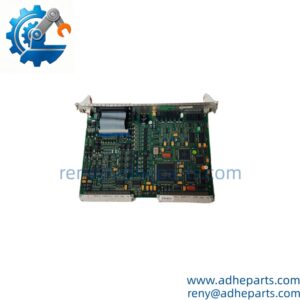
The SST 5136-DNP-PCI is a PCI-bus interface card that connects a standard industrial or desktop PC to a DeviceNet network. The DeviceNet protocol is executed entirely in hardware on the card, allowing simultaneous client (master) and server (slave) operation without placing a heavy processing load on the host computer.
It supports all standard DeviceNet baud rates (125, 250, and 500 kbps) and is designed for reliable communication in industrial environments. The card was widely used in PC-based control systems, data acquisition, and SCADA applications that needed to interface with DeviceNet devices such as drives, I/O blocks, sensors, and controllers. As part of the SST 5136 family, it belongs to a generation of fieldbus cards that have largely been superseded by PCIe and newer network technologies, but it remains in demand for maintaining existing installations.
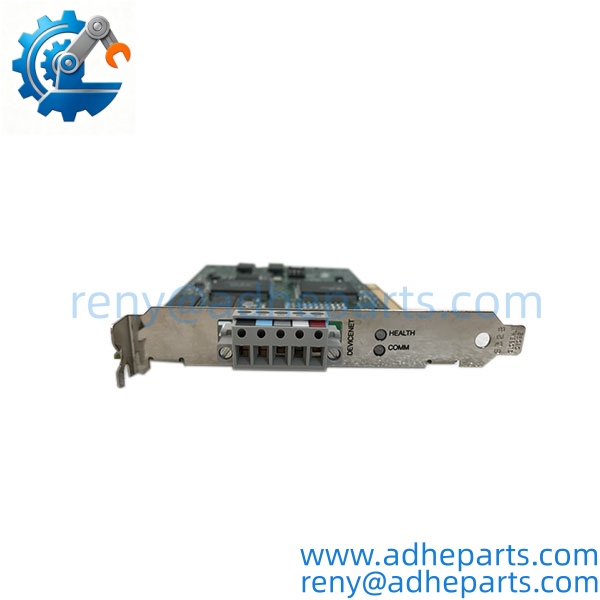
5136-DNP-PCI
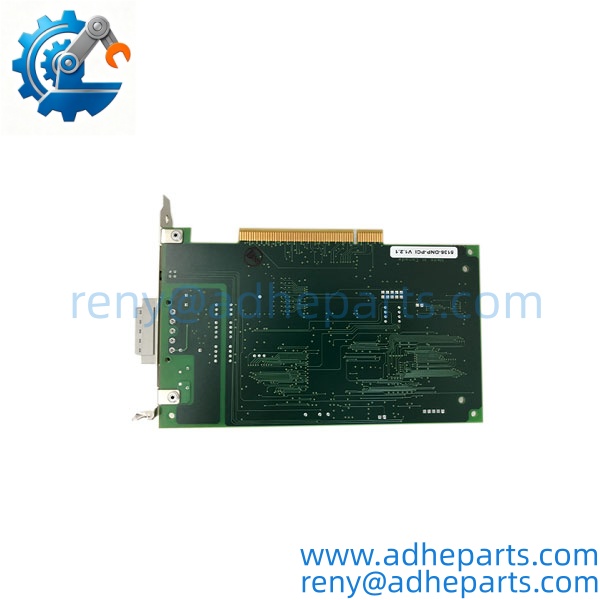
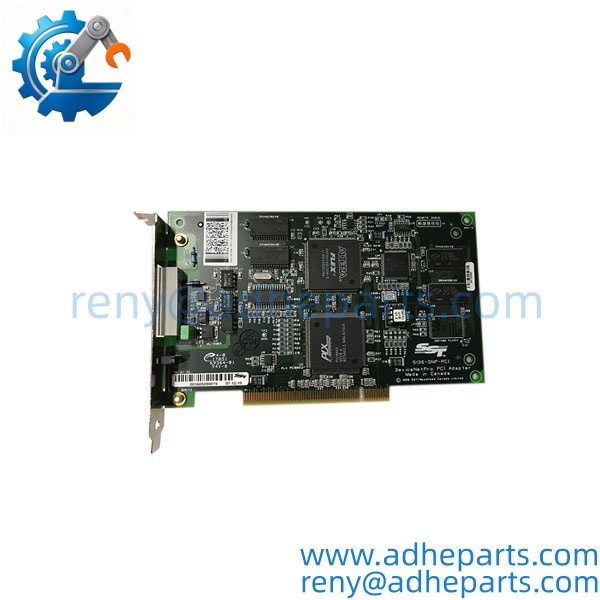
5136-DNP-PCI
5. QC, Procurement & Logistics SOP
- Inbound Verification – Confirm full model number (5136-DNP-PCI), any revision or firmware labels, and physical condition of the PCI connector and network interface. Photograph all identifiers.
- Functional Testing – Install in a compatible PCI slot, load the appropriate drivers, and verify network presence and basic DeviceNet communication where possible.
- QA & Packaging – Protect the PCI edge connector and network port, clean the card, and pack in anti-static protective packaging.
- Global Logistics & Export Compliance – Classify under the correct HS code for industrial communication interface cards. Packaging must protect against electrostatic discharge; export documentation is prepared to minimize customs delays.
6. Technical Pitfalls & Integration Warnings
Driver Compatibility – The card requires specific SST/Woodhead/Molex drivers. Modern 64-bit operating systems may need legacy or compatibility-mode drivers.
PCI Slot Requirements – Confirm the host system still has a legacy PCI slot (not only PCIe). Many newer industrial PCs no longer provide standard PCI slots.
Baud Rate Matching – All devices on the DeviceNet network must be set to the same baud rate. Mismatched rates prevent communication.
Termination and Cabling – DeviceNet requires proper network termination and correct cable type. Incorrect termination is a common cause of intermittent faults.
7. Frequently Asked Questions (FAQ)
What is the realistic global lead time for a verified 5136-DNP-PCI?
As a discontinued legacy card, availability depends on surplus stock. Typical lead time after verification is 5–20 business days plus standard shipping.
What protocol does the 5136-DNP-PCI support?
DeviceNet.
What form factor is it?
Standard PCI (32-bit) card.
Can it operate as both Master and Slave?
Yes. It supports simultaneous client and server operation.
Is the card still in production?
No. The SST 5136 series has been discontinued. Newer systems typically use PCIe or Ethernet-based DeviceNet solutions.
What should be confirmed before ordering a replacement?
Exact model number, host computer PCI slot availability, operating system compatibility, and the DeviceNet network baud rate and configuration.
What are typical applications?
PC-based HMI/SCADA systems, industrial data acquisition, and machine control systems that need to communicate with DeviceNet devices.