Description
Note: Many products are not yet listed. Please contact us for more product information. Our supply channels are constantly expanding, and we currently have 20 stable shared supply channels. Please confirm the model, product, price, and all other necessary information with customer service before placing an order. We offer new, refurbished, and used products, and prices are adjusted according to the year of the item you require.
Product Introduction
When vibration‑monitoring signal chains pick up cabinet‑borne electrical noise, false high‑vibration alarms can trigger unnecessary turbine trips.
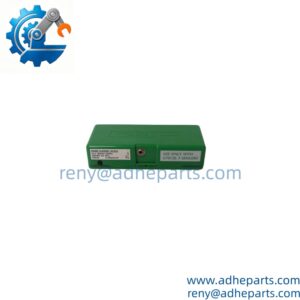
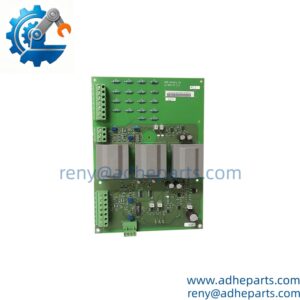
This TVBA board sits at the boundary between field vibration transducers and Mark VIe processing hardware. It routes proximity‑probe bias power while applying hardware‑level noise filtering, and the ‑ACC suffix denotes factory conformal coating for higher‑humidity cabinet environments —though your mileage may vary depending on quality of field‑cable shielding practice.
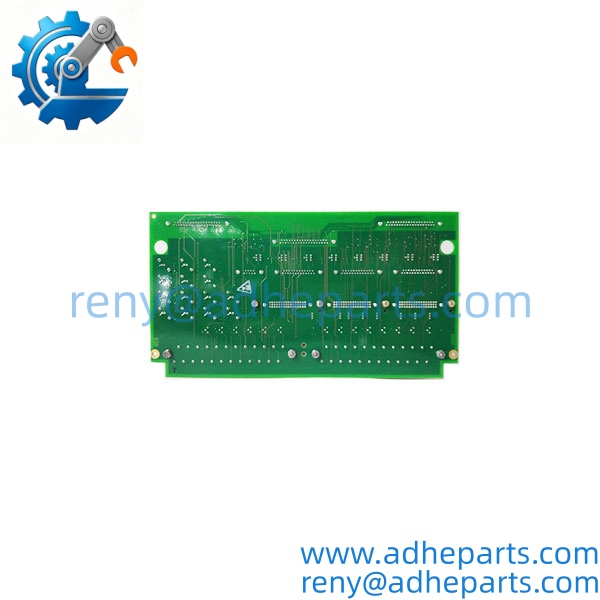
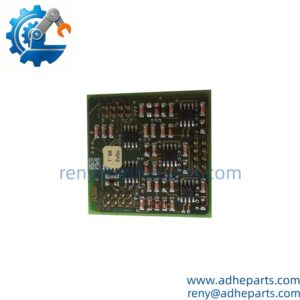
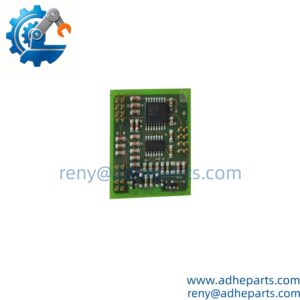
IS200TVBAH2ACC
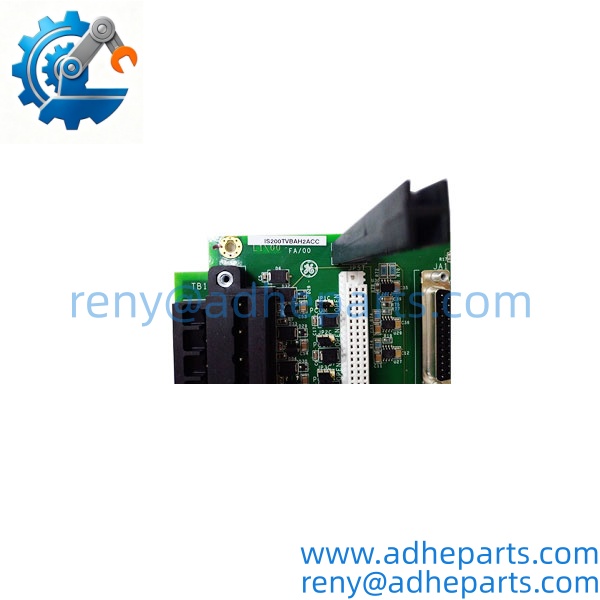
IS200TVBAH2ACC
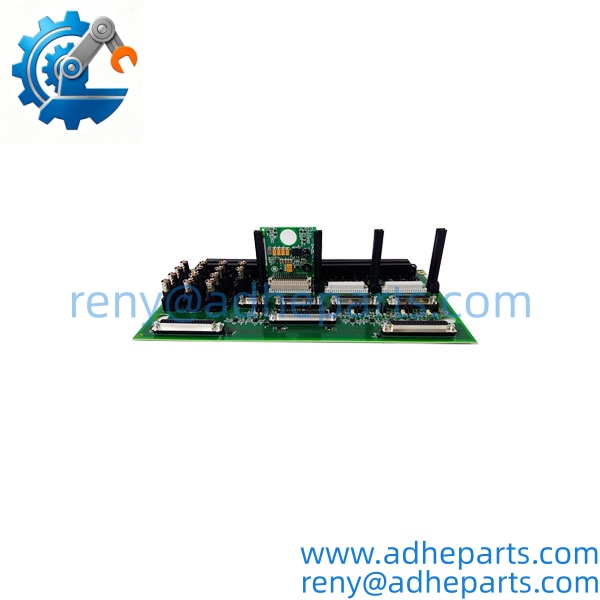
IS200TVBAH2ACC
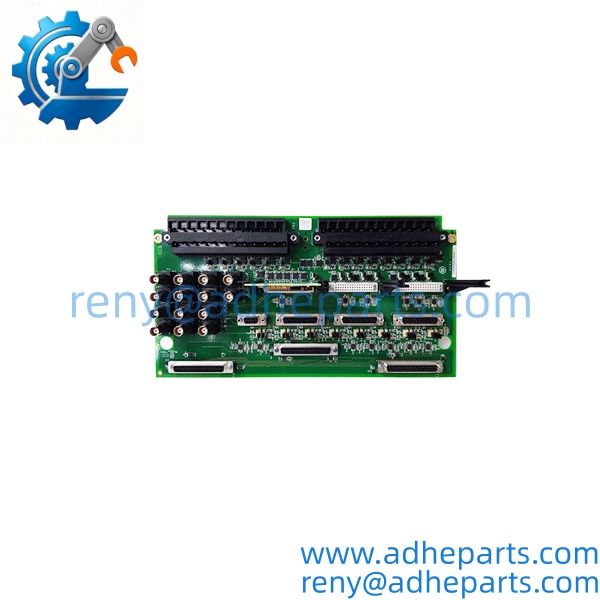
IS200TVBAH2ACC
Key Technical Specifications
| Parameter | Value |
|---|---|
| System Compatibility | GE Speedtronic Mark VI, Mark VIe, EX2100E platform |
| Channel Count | 14 isolated sensor‑input termination points |
| Supported Sensors | Proximity probes, velomitors, accelerometers, key‑phase transducers |
| On‑Board Features | EMI/RFI filter networks, probe bias‑voltage monitoring points |
| Conformal Coating | Yes (‑ACC suffix assembly) |
| Interboard Connector | 37‑pin D‑Sub to PVIB / YVIB vibration‑processing packs |
| Operating Supply | 28 VDC nominal field‑side supply |
| Operating Ambient | 0 °C to +65 °C, non‑condensing humidity |
| Mounting | Panel‑mount PCB inside turbine‑control cabinet |
| Signal Grounding | Dedicated shield‑termination terminal block for sensor‑cable shields |
Field Application & Technical Pitfalls (The Engineer’s Guide)
This termination board serves three high‑stakes rotating‑equipment scenarios. Combined‑cycle gas‑turbine cabinets use it for bearing‑vibration and shaft‑position signal routing. Steam‑turbine generator control panels aggregate multiple proximity‑probe inputs for TSI protection logic. Compressor‑package control cabinets rely on its filtering to preserve low‑level sensor signals near high‑current variable‑frequency drives.
Critical technical pitfalls during replacement:
- Channel‑mapping mis‑wiring: The second terminal block from the left carries key‑phase and reference‑signal inputs. Swapping channel assignments between sensors will corrupt vibration‑amplitude and phase‑angle readings without throwing obvious hardware faults. Always label every wire before removal.
- Improper shield‑ground execution: Multiple‑point grounding of sensor‑cable shields creates ground‑loop noise. All cable shields must land only on the board‑assigned SHLD terminals; do not tie shields to cabinet ground elsewhere in the cable run.
- D‑Sub connector partial‑mating: Incomplete seating of the rear‑side 37‑pin D‑Sub produces intermittent signal drop‑outs that only manifest under high‑vibration cabinet conditions. Hand‑tighten both captive jackscrews to secure full engagement.
A site maintenance crew swapped a degraded TVBA board during a scheduled unit outage. They reconnected field wiring without referencing the original channel label sheet and only finger‑tightened the D‑Sub jackscrews. After turbine synchronization, vibration readings showed random noise spikes during load swings. Operators received intermittent high‑vibration alarms that vanished when tapping the cabinet door. Technicians spent two days troubleshooting field sensors before discovering mis‑assigned channels and loosely fastened D‑Sub connector. Always photograph original wiring layout before disassembly, and torque D‑Sub jackscrews fully.
Quality Control (QC) SOP & Transparency
- Inbound Verification: Match full part‑number IS200TVBAH2ACC and serial marking to OEM packing documentation. Inspect conformal‑coating integrity for chipping, burn marks, or solder‑repair residue. Check front‑side terminal screw threads and rear‑side 37‑pin D‑Sub pins for bending or corrosion. Confirm no signs of prior field‑mount hardware scuffing.
- Live Rig Testing: Mount board inside Mark VIe test fixture. Apply regulated 28 VDC supply. Inject simulated proximity‑probe bias signals and verify proper filtering behavior. Validate bidirectional signal transfer through the 37‑pin D‑Sub toward a PVIB‑simulation test host. Check for intermittent opens when gently stressing the D‑Sub connector assembly.
- Parameter Testing: Run continuity and isolation testing across all 14 input channels. Measure impedance across filter networks and compare against OEM reference values. Perform insulation‑resistance checks between signal traces and chassis ground. Confirm no leakage paths exist beneath conformal‑coated surfaces.
- Final QA & Packaging: Fit protective plastic caps over D‑Sub connector pins. Seal unit inside static‑shield anti‑static bag. Affix QC‑passed label with test‑run timestamp. Pack with rigid foam padding to prevent terminal‑pin and D‑Sub mechanical damage in transit.
Frequently Asked Questions (FAQ)
Can I hot‑swap IS200TVBAH2ACC while the Mark VIe cabinet remains energized?Physical hot‑swap of field‑wired terminals is possible but strongly discouraged. Live‑circuit disconnection of proximity‑probe bias lines can inject voltage transients into downstream PVIB packs. De‑energize sensor‑loop power before performing any wiring change.
What I/O packs pair directly with IS200TVBAH2ACC?Purpose‑built to work alongside PVIB and YVIB vibration‑processing packs within Mark VI / Mark VIe architecture. It will not drop‑in for non‑TVBA terminal‑board variants. Verify exact load capacity with the OEM datasheet before integration.
What warranty coverage applies for new‑surplus IS200TVBAH2ACC boards?Twelve‑month functional warranty applies. Warranty excludes damage from ESD exposure, field‑side over‑voltage transients, improper shield‑ground installation, or physical connector abuse. Intact factory conformal‑coating shelf marks do not void coverage.
How do I separate genuine OEM surplus hardware from rebuilt aftermarket copies?Genuine OEM boards show uniform conformal‑coating coverage, crisp silkscreen marking, and original‑spec D‑Sub and terminal hardware. Rebuilt units often display hand‑touched repair solder joints, patch‑repaired traces, or non‑original terminal hardware. Well, technically legitimate OEM‑repaired boards exist, so full‑channel bench‑signal testing serves as final validation.
Will I need to adjust TSI configuration parameters after board replacement?No software‑parameter changes are required if you preserve exact original channel‑to‑sensor mapping. Mismatched wiring assignments will force re‑mapping within ToolboxST configuration.
What field symptoms point to a failing IS200TVBAH2ACC?Noisy/spiky vibration readings, intermittent loss of key‑phase signal, probe‑bias‑voltage drift, and sporadic TSI bad‑quality alarms. Many of these symptoms also originate from bad field cables or failing proximity probes, so isolate the board on a test rig for confirmation.
Is IS200TVBAH2ACC still in OEM active production?This is a discontinued legacy Mark VIe component. Once genuine surplus stock depletes, sourcing lead‑times expand significantly. Confirm stock availability well ahead of planned turbine‑outage windows.