Description
Note: Many products are not yet listed. Please contact us for more product information. Our supply channels are constantly expanding, and we currently have 20 stable shared supply channels. Please confirm the model, product, price, and all other necessary information with customer service before placing an order. We offer new, refurbished, and used products, and prices are adjusted according to the year of the item you require.
Product Introduction
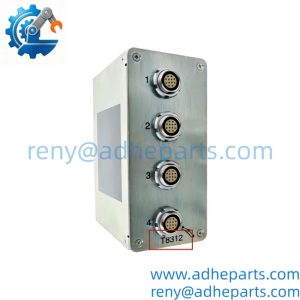
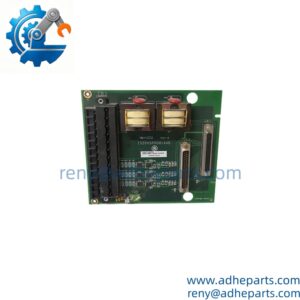
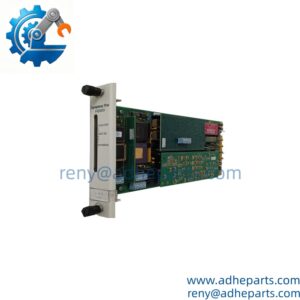
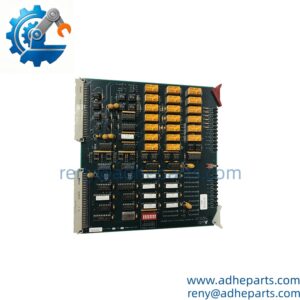
When generator excitation or static frequency converter racks experience unstable pulse timing, plant operators face risk of costly power‑unit trips. This densely populated plug‑in card slots directly into the AC800PEC sub‑rack, processing high‑speed measurement signals and delivering synchronized gate commands to connected power stacks. Conformal coating protects surface‑mount components against cabinet dust and mild condensation, —though your mileage may vary under persistent high‑humidity cabinet conditions. All timing calibration lives on board; mismatched hardware revisions can shift closed‑loop response after swap‑out.
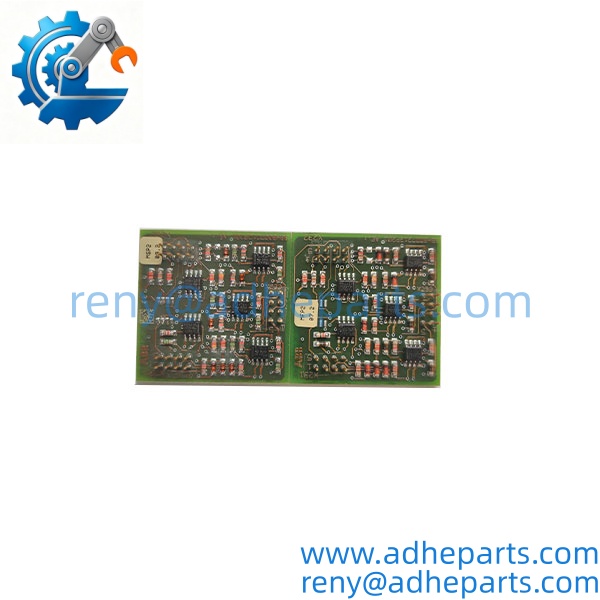
XVC768AE101
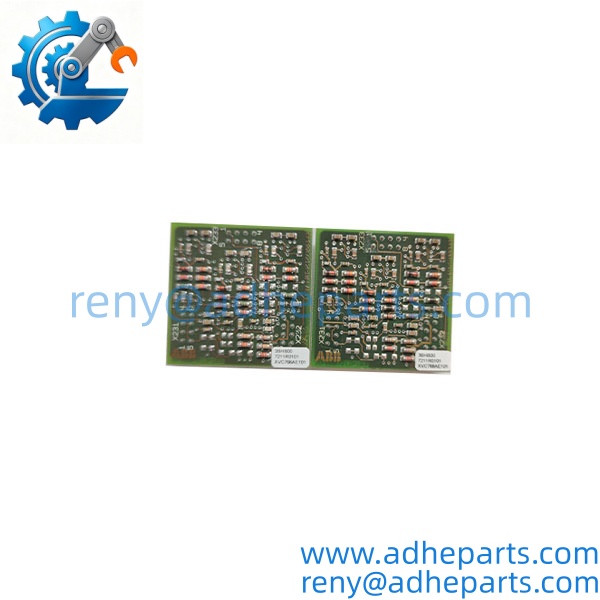
XVC768AE101
Key Technical Specifications
| Parameter | Value |
|---|---|
| OEM Part Number | 3BHB007211R0101 |
| Host System | ABB AC800PEC controller rack |
| Power Source | Rack backplane supply (no external 24 VDC field input) |
| Construction | Multi‑layer PCB with industrial conformal coating |
| Signal Processing | Sub‑millisecond loop execution for power conversion control |
| Mounting | Plug‑in sub‑rack slot, guided edge connector |
| Operating Ambient Temperature | ‑10 °C … +70 °C (cabinet internal) |
| Storage Temperature | ‑40 °C … +85 °C |
| Weight | Approx. 145 g |
| Critical Compatibility Note | Must match AC800PEC base unit hardware revision |
Field Application & Technical Pitfalls (The Engineer’s Guide)
Critical industrial scenarios:
- Hydro‑plant synchronous generator excitation control where precise pulse timing stabilizes grid‑connected output.
- Static frequency converter (SFC) assemblies used for railway power supply conversion.
- Heavy‑industry rolling mill power conversion racks requiring tight real‑time current regulation.
Technical pitfalls to avoid
- Hardware revision incompatibility: Installing an XVC768AE101 of older hardware revision into a newer AC800PEC rack creates skewed pulse timing, not obvious hard faults. Well, technically the board will seat and power‑up, but closed‑loop gains drift outside acceptable operating bands. Always cross‑check rack CPU hardware sticker before replacement.
- Connector pin damage during insertion: The edge connector located at the third slot from the left carries high‑speed differential signals. Rough handling bends fine gold‑plated pins; bent pins produce intermittent, temperature‑dependent signal drop‑outs that are hard to reproduce during bench testing.
- ESD exposure before rack insertion: High‑density surface‑mount components have very low ESD tolerance. Damage may not appear right away; faults emerge only after hours of thermal cycling inside the live rack.
Hypothetical field anecdote: A power‑plant maintenance crew swapped an XVC768AE101 during scheduled generator outage. They handled the bare board without wrist straps and forced it into the rack slot. Post‑restart, excitation output wandered slowly through each operating‑temperature cycle. Technicians spent three days tuning controller software parameters, before discovering subtle ESD‑induced drift on the replacement signal board. Generator stayed offline longer than planned, and no visible physical damage existed on the circuit card.
Quality Control (QC) SOP & Transparency
- Inbound Verification: Match laser‑etched part number 3BHB007211R0101 against OEM reference; full visual scan for bent edge‑connector pins, scratched conformal coating, or aftermarket hand‑solder rework; review original OEM packaging for new‑surplus stock.
- Live Rig Testing: Insert board into compatible AC800PEC test rack; apply rack backplane power; verify complete power‑on initialization; confirm signal handshake between host CPU and the XVC768AE101 without diagnostic fault flags.
- Parameter Testing: Inspect edge‑connector continuity with ohmmeter; check for hidden internal short circuits between signal traces; confirm no degraded impedance paths caused by component aging.
- Final QA & Packaging: Second visual pass checking connector pins and PCB surface; place unit inside static‑shield anti‑static bag; affix QC‑passed physical label including test date; fit rigid protective shell to guard the fragile edge connector in transit.
Frequently Asked Questions (FAQ)
Q: Can I hot‑swap XVC768AE101 while the AC800PEC rack remains energized? A: No. This board draws power entirely from the rack backplane. Pulling it under power risks permanent edge‑connector trace burnout. Execute full lock‑out‑tag‑out procedures before slot removal.
Q: Does every XVC768AE101 fit all racks? A: Physically yes, but revision matching is mandatory. Verify exact host‑rack hardware revision marking. Mismatched revisions lead to unstable power‑conversion performance. Verify exact load capacity with the OEM datasheet.
Q: What warranty applies to XVC768AE101 stock units? A: Standard 12‑month warranty covers test‑verified hardware defects. Warranty excludes ESD damage, bent connector pins, and field‑induced surge stress.
Q: After I fit a replacement , must I re‑run system calibration? A: Yes. Timing offsets reside on this signal‑processing board. Upload saved application parameters and run the full power‑unit calibration sequence post‑replacement. Skipping calibration creates hidden regulation error.
Q: How to tell genuine OEM from counterfeit or rebuilt copies? A: Authentic boards carry crisp laser‑etched part identifiers on PCB surface. Rebuilt examples show irregular hand‑solder points around surface‑mount chips. Counterfeit units commonly rely on adhesive sticker labels instead of permanent PCB marking.
Q: My rack reports intermittent communication faults pointing to . What step comes before swapping hardware? A: Power down the rack, pull the board, and carefully inspect every gold‑plated edge‑connector pin. Debris or slightly bent pins produce exactly this intermittent fault pattern. Clean contacts with approved contact cleaner before condemning the board itself.