Description
Note: Many products are not yet listed. Please contact us for more product information. Our supply channels are constantly expanding, and we currently have 20 stable shared supply channels. Please confirm the model, product, price, and all other necessary information with customer service before placing an order. We offer new, refurbished, and used products, and prices are adjusted according to the year of the item you require.
3. Product Introduction
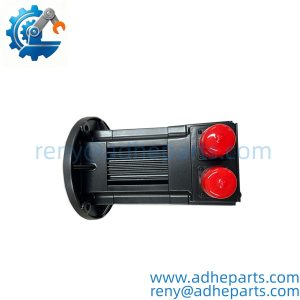
As a SANMOTION P series servo motor, the P30B04010PCKSTA01 drives a compact axis where speed and position both matter. The 40 mm flange and 100 W class put it in packaging, semiconductor handling, and small robot joints. The suffix after the base model encodes shaft, encoder, brake, and connector choices — that is where most replacement mistakes start (—though your mileage may vary depending on the amplifier pairing). Verify the full order code against the old label before you order.
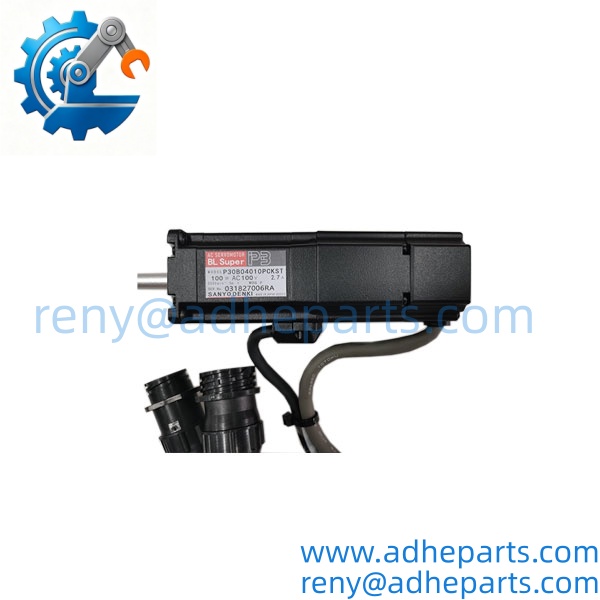
P30B04010PCKSTA01
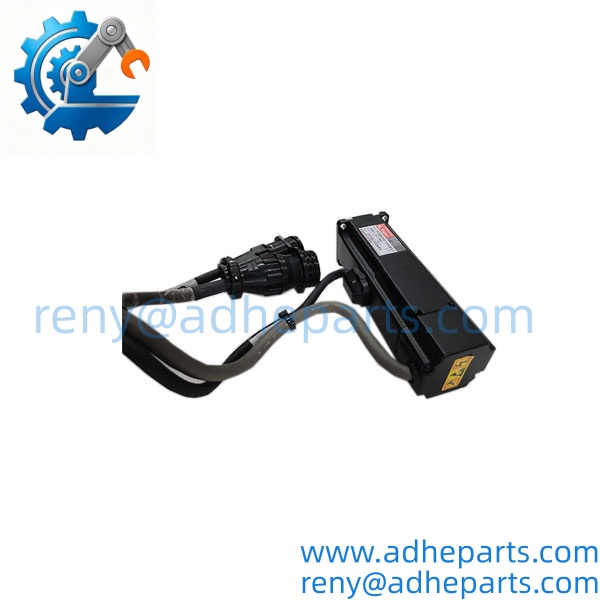
P30B04010PCKSTA01
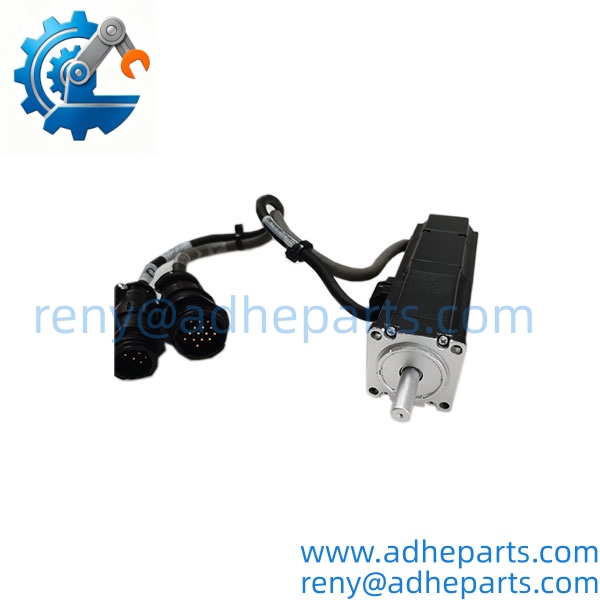
P30B04010PCKSTA01
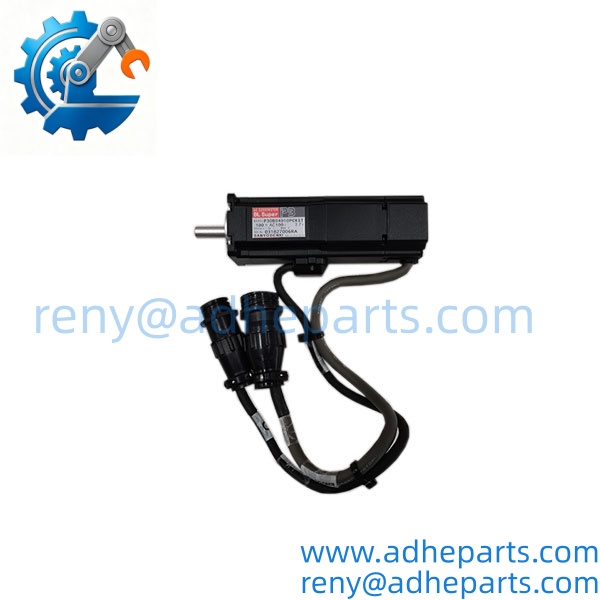
P30B04010PCKSTA01
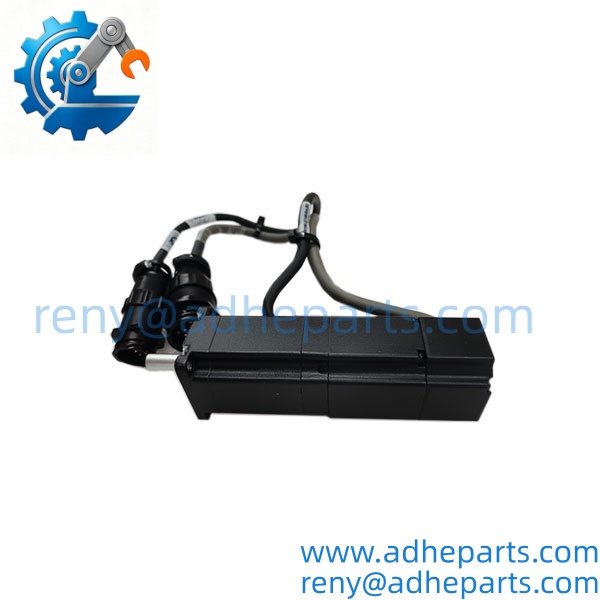
P30B04010PCKSTA01
4. Key Technical Specifications
| Parameter | Value |
|---|---|
| Catalog Number | P30B04010PCKSTA01 |
| Brand | Sanyo Denki |
| Product Type | AC servo motor |
| Series | SANMOTION P — confirm suffix options on label |
| Frame Size | 40 mm flange class — verify exact flange and mounting pattern |
| Rated Output | 100 W class — verify exact rating with OEM datasheet |
| Rated Voltage | 200 VAC class — confirm amplifier and site voltage |
| Rated Speed | 3000 rpm class — verify exact speed and torque curves |
| Encoder | Incremental type — confirm resolution and signal format |
| Brake Option | Confirm presence and voltage from the suffix and label |
| Shaft Style | Keyway or straight shaft — confirm from suffix and old unit |
| Connector Style | Confirm plug type and pinout against the OEM drawing |
| Operating Temperature | Verify exact range with OEM datasheet |
5. Field Application & Technical Pitfalls (The Engineer’s Guide)
Where this motor is critical:
- Packaging and labeling machines where a compact axis indexes film or cartons at repeated stop-and-go cycles.
- Semiconductor wafer handling where smooth low-speed motion and encoder resolution decide whether a wafer lands cleanly.
- Small robot joints and CNC axes where the motor, brake, and encoder package must fit a tight envelope.
Three pitfalls that bite during replacement:
- Suffix and encoder mismatch. Warning: the base model number can match while the encoder resolution, brake, or connector differs. A motor that bolts up and spins can still run the wrong direction or lose position at low speed. Compare the full suffix and the encoder label, not just the first ten characters.
- Motor cable pinout and shield/PE bonding. Warning: a cable built for a different amplifier pinout can power the motor and still swap encoder channels or brake leads. Land the shield with the correct clamp, bond PE at the drive end, and confirm the brake voltage before energizing.
- Amplifier motor ID and tuning. Warning: the servo amplifier expects a motor ID and parameter set that match the replacement. A motor with the right flange and wrong ID can run rough, trip on overload, or lose position under load. Load the correct motor data and recheck gain before you run production.
Lesson learned: A technician replaced a failed motor with a same-frame spare, powered up, and watched the axis hunt at standstill. Root cause — the replacement carried a different encoder resolution, and nobody updated the amplifier motor ID. The motor was good; the parameter set was not. Half a shift of tuning for a five-minute label check.
6. Quality Control (QC) SOP & Transparency
- Inbound Verification. Each motor is checked against the OEM packing list, label typography, full suffix, serial number format, and date-code range. Encoder type, brake presence, shaft style, and connector condition are logged before the unit enters stock.
- Live Rig Testing. The motor is coupled to a matching servo amplifier on a bench fixture. We power on, confirm encoder feedback, run low-speed and rated-speed no-load tests, and check brake release and holding where the option is fitted.
- Parameter Testing. Winding resistance, insulation resistance, back-EMF balance, and encoder signal integrity are checked against the OEM datasheet where published. Undocumented values are flagged for buyer confirmation rather than guessed.
- Final QA & Packaging. The motor ships in protective packaging with a QC-passed label, a test record showing the suffix and test readings we verified, and photos of the connector and shaft when available.
7. Frequently Asked Questions (FAQ)
Can I hot-swap this motor while the machine is energized? No. Lock out the drive, confirm the axis is mechanically safe, and wait for the amplifier’s charge indicator to go dark before disconnecting motor or encoder cables.
How do I confirm it matches my existing motor? Send the full label photo, amplifier model, motor ID parameter, encoder label, and a picture of the shaft and connector. We cross-check the suffix and test record before shipping. Exact fit depends on the full order code, not just the base model.
What’s the warranty? 12 months from delivery for functional failure under normal operation. Encoder batteries, if present, and other consumables carry a 90-day replacement guarantee.
How can I tell genuine OEM from refurbished? Genuine units carry the original Sanyo Denki label with consistent typography and a traceable serial number. Refurbished units carry our QC tag in addition to the OEM label, and we disclose condition on the quote.
Does it ship with a mating connector or cable? No. The motor ships as the unit only unless the quote says otherwise. Confirm plug type and pinout against the OEM drawing before ordering.
Will my amplifier recognize it without changes? Only if the motor ID and encoder data match the amplifier parameter set. Send us the amplifier model and current motor ID, and we will confirm what we can before shipment.
What do you need to quote the right replacement? Full label photo, amplifier model, motor ID parameter, encoder details, and shaft/connector photos. That five-minute upload prevents most wrong-part returns.